Login
Login
Shipping Country
Super CLEARANCE CAMPAIGN - Selected tools and accessories with Super Special prices! - CHECK HERE
READ MORE
Login
Router bits are tools attached to a router machine used for cutting, shaping, and finishing wood. Choosing the right bit is crucial for the quality of the finish and is based on three factors: the workpiece material, the desired profile, and the router's shank size. This guide will help you choose the right tool for every project.
Every woodworker knows the feeling. The workpiece is otherwise perfect, but the edge finish falls short or the joint doesn't fit quite right. The difference between a good and a professional result often lies in the details – and in the tools used to make them. Router bits are one of the most versatile and important tools in the workshop, but navigating them can feel like a maze. In this guide, we straightforwardly walk through how to choose the right router bits for your needs, avoid common pitfalls, and ensure you get the most out of your work.
It's not just about buying a bit, but choosing the right tool for the right job.
In this section, we delve into the most common bit types to make choosing the right tool easier. We won't list every bit in existence, but focus on those that professionals need most in their daily work. These are the real workhorses of the workshop.
These are basic tools used for making straight cuts and recessing. They lay the foundation for many projects, ranging from shelf recesses to hinge installations.
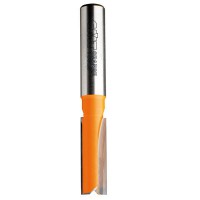
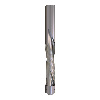
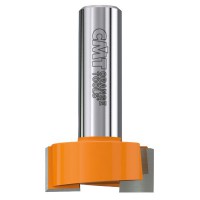
Straight router bits: The cornerstone of the toolbox. With these, you make clean, flat-bottomed grooves, rebates, and dadoes. Perfect for hiding shelf supports or routing decorative grooves.
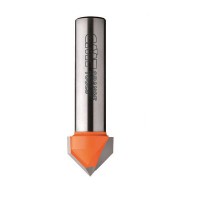
V-groove bits: For creating crisp details. Typically used for engraving text and patterns, decorating paneling, or chamfering edges with a precise V-shape.
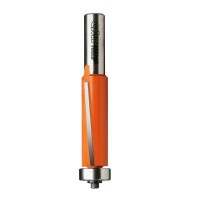
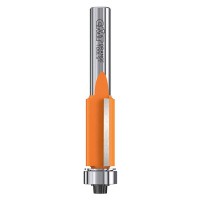
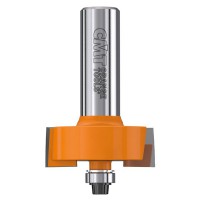
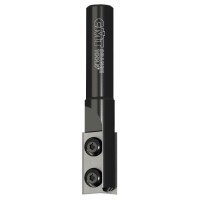
Rabbeting bits (with guide bearing): An excellent tool for cleaning up edges and creating precise rabbets (stepped edges) on the edge of a workpiece. The guide bearing follows the edge of the workpiece, guaranteeing a smooth and accurate result without fence guides.
A finished edge gives a product a professional look. With these bits, you turn a sharp, rough edge into an elegant profile that feels good in the hand and looks refined.
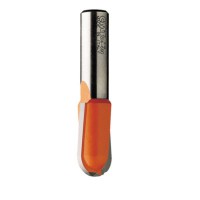
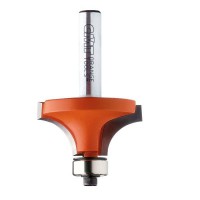
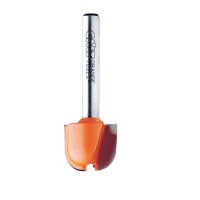
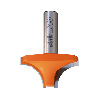
Round-over bits: One of the most common finishing bits. As the name suggests, it softens sharp corners into a pleasing curve. Great for tabletops, shelves, and other furniture where sharp edges should be avoided.
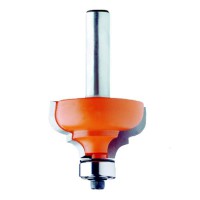
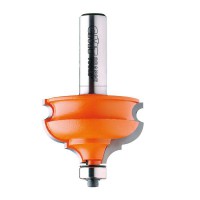
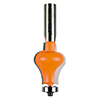
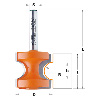
Profile bits (e.g., Roman Ogee, Cove): When you need a more decorative and classic look. These bits create more complex and impressive edge profiles for mirror frames, moldings, and cabinet tops.
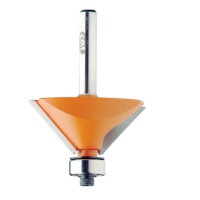
Chamfer bits: A clean and modern choice for edge finishing. These bits cut a precise bevel, typically at a 45-degree angle, giving the piece a neat and geometric look.
Making durable and seamless wood joints requires precision. The right router bits make it significantly easier and faster, whether assembling a drawer or building a panel wall.
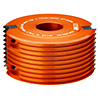
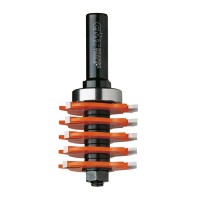
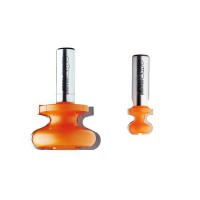
Tongue and groove bits: A traditional and reliable way to join two pieces together, for example when installing floorboards or paneling. The bit set creates perfectly matching tongue and groove joints.
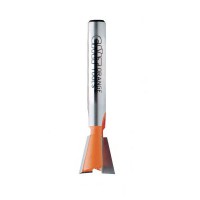
Dovetail bits: Used to make classic and extremely strong box joints or dovetail joints. The dovetail joint in particular is a hallmark of fine woodworking, and with a high-quality bit, it can be made precisely and efficiently.
Choosing the right bit isn't rocket science, but paying attention to a few factors is well worth it. The right choice ensures a clean finish, increases safety, and ultimately saves both time and money. Here are three key things to consider before buying a bit.
Router bits are mainly manufactured from two materials, and the difference between them is like night and day. HSS (High-Speed Steel) is a more affordable option, but it wears out and dulls significantly faster. It may suffice for occasional work in soft wood, but that's all. Carbide (HM), on the other hand, is a much harder and more durable material. It holds its sharpness many times longer and effortlessly handles hardwood, plywood, laminates, and composite materials. For professional use and anyone aiming for high-quality results, carbide is practically the only sensible choice.
The shank size of the bit – the part attached to the router – directly affects the quality of the work. The most common sizes are 8 mm and 12 mm. Although an 8 mm shank is sufficient for lighter work and smaller bits, professionals should prefer a 12 mm shank whenever the router allows it. Why? A thicker shank is significantly sturdier. It vibrates less and withstands greater strain, leading to a cleaner and more precise cut, especially with large profiling bits and heavier routing. Less vibration also means less noise and safer operation.
The bit should always be selected according to the material being worked. Hard oak requires a different bit geometry and cutting speed than soft pine or resinous MDF board. But having the right bit isn't enough if your technique is wrong. One of the best pieces of advice is simple: listen to your router and observe the chips generated. If the wood burns or the cut tear-outs, you are likely feeding the material too slowly or your bit is dull. If the machine's RPM drops and it feels bogged down, the feed rate is too fast. Finding the right rhythm comes with experience, ensuring the cleanest finish and extending bit life.
High-quality router bits are an investment, not disposable items. With a small amount of regular care, you ensure they serve you reliably year after year. A well-maintained bit not only produces a better finish but is also significantly safer to use.
After work, resin, dust, and other residue build up on the bit. This layer increases friction, overheats the bit, and dulls its cutting edge prematurely. Make it a habit to clean your bits regularly with a dedicated pitch/resin remover and a soft brush. Never scrape the bit with metal objects. Equal care should go into storage: don't toss bits loosely into the bottom of a drawer where they bang against each other. Store them in their original cases or a dedicated rack. This keeps the cutting edges pristine and sharp.
You can clearly tell when a bit is dull during use. Cutting becomes heavy, machine noise increases, and burn marks or torn wood surfaces appear on the workpiece. At this point, it is time to stop work and inspect the bit. The question is: sharpen or buy a new bit?
The rule of thumb is clear: High-quality carbide bits are almost always worth having professionally sharpened. It is cost-effective and ensures the bit geometry is preserved correctly. For cheaper HSS bits or budget sets, buying new is often cheaper than professional sharpening. However, remember that even a high-quality bit cannot be sharpened endlessly. Each sharpening removes a bit of material, and after a few times, the bit profile will have changed too much for precision work.
Even a high-quality router bit isn't forever, but with the right methods, its lifespan can be extended significantly. It's not just about saving the bit, but also about better cut quality and safety. A well-maintained bit cuts cleaner and requires less power from the machine.
During work, pitch and residue inevitably accumulate on the cutting edges of the bit. This layer increases friction, overheats the bit, and dulls it prematurely. Make it a habit to clean bits regularly with a dedicated cleaner. A clean bit cuts cooler and more accurately. Storage is equally important: don't throw bits into the bottom of a drawer where they knock against each other. The carbide edge is hard but brittle, and even a small bump can cause a chip. Store bits in their original packaging or a separate rack where they stay safe and sharp.
Safe working practices not only protect you but also save the bit and improve the final result. A few key basics to keep in mind:
The choice is based on three factors: the workpiece material, the desired profile, and the router's shank size. The right choice ensures a clean finish and increases working safety.
HSS (High-Speed Steel) is cheaper but wears out quickly. Carbide (HM) is a more durable material that stays sharp for a long time and is suitable for hardwood, plywood, and laminates.
A thicker 12 mm shank is sturdier, vibrates less, and handles higher loads. This ensures a cleaner cut, especially with larger bits and heavy-duty work.
You can tell a bit is dull when cutting feels heavy, machine noise increases, and burn marks or torn wood surfaces appear on the workpiece.
Clean bits regularly with pitch/resin remover and store them in their own cases or a rack so the cutting edges don't bump into each other. High-quality bits are worth having professionally sharpened.
100% Trustworthy online store with history
Expert customer service
Fast deliveries
Large selection directly from stock
No middlemen - save on the price






 Suomeksi
 På Svenska