Login
Login
Shipping Country
Super CLEARANCE CAMPAIGN - Selected tools and accessories with Super Special prices! - CHECK HERE
READ MORE
Login
In short: The router bit is the most important cutting tool in woodworking, and is mainly divided into slotting and profiling bits. Slotting bits are designed for material removal, joints and channels, while profiling bits finish edges with decorative shapes. The choice is determined by the material being machined, the diameter of the bit and the blade material, such as HM carbide.
Woodworking is a skill where the quality of the tool determines the final result. Whether you are a hobbyist or a professional, the right router bit is key to achieving a clean and precise mark. The versatility of a router is based on the interchangeable blades, which allow for everything from solid wood joints to intricate decorative moldings.
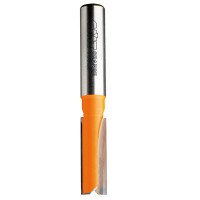
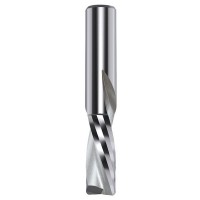
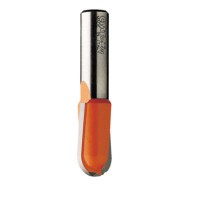
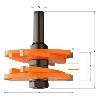
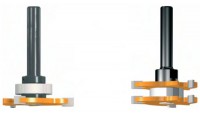
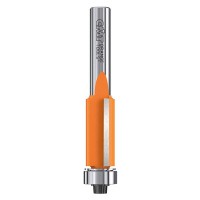
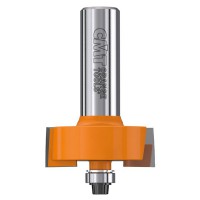
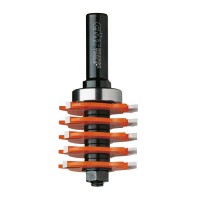
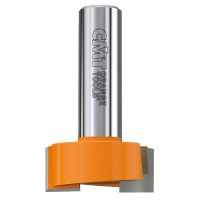
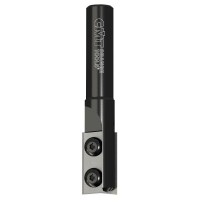
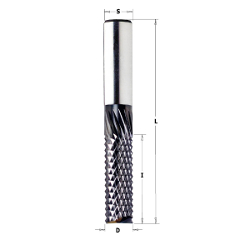
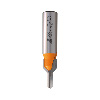
Slotting cutters are the basic cutters on a router. Their primary function is to remove material from the center or edge of a workpiece, creating straight or shaped channels. They are essential in furniture construction, where precise joints are required.
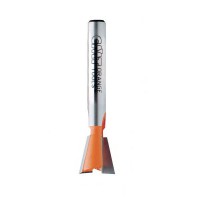
Straight slotting blades: The most common type for tenon joints and slotting. Dovetail blades: For making classic and durable corner joints. T-slotting blades: For routing mounting rails and suspension slots.
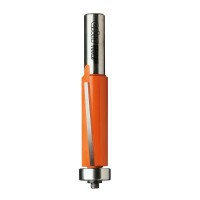
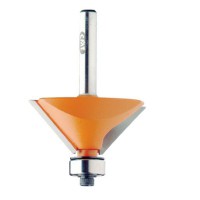
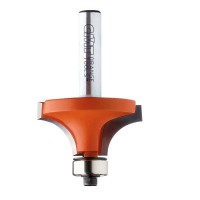
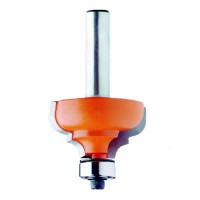
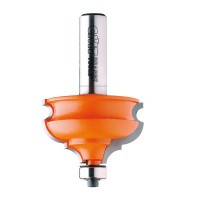
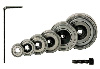
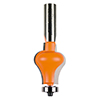
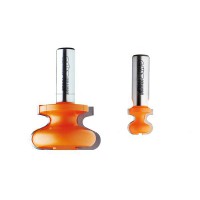
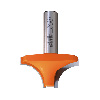
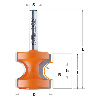
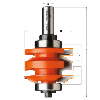
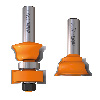
When visual appeal and a finished look are the goal, profile blades come into play. These blades are often equipped with a guide bearing that runs along the edge of the workpiece, ensuring a consistent routing depth without separate guides.
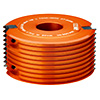
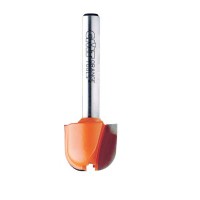
The most popular profiles are the rounding blade, which softens sharp corners, the Chamfer blade for modern 45-degree bevels, the Edge Profile blade for decorative S-shapes, and the Cove blade for inwardly curved shapes.
There are clear differences between a slotting blade and a profiling blade. The goal of a slotting blade is structural, while a profiling blade focuses on appearance. Slotting blades usually use a side guide as a guide, while profiling blades have a bearing guide. The machining takes place inside the material with slotting blades and at the edges with profiling blades.
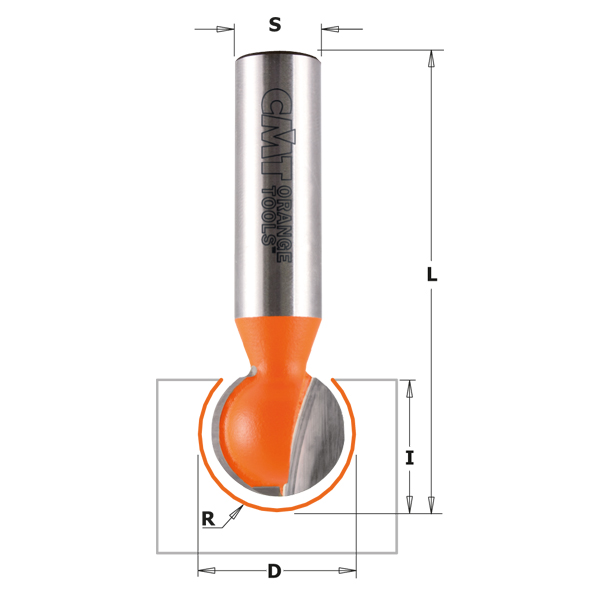
Always choose the largest shank diameter that your router allows. For example, a 12 mm shank is significantly more sturdy than an 8 mm shank. This reduces vibration and prevents the blade from bending under heavy load, resulting in a smoother routing result and longer router bit life.
The depth of cut and the material you are working on will also affect your choice. If you are going to cut a deep groove in hard oak, you will need a blade with excellent chip removal. If you are making subtle decorations in soft pine, a smaller, more graceful profile blade is the way to go.
A high-quality milling cutter is not just steel. There are two main material classes on the market, the differences of which are directly reflected in price and durability: HM (Carbide) and HSS (High Speed ??Steel). Special blades such as PCD (Diamond Coating) and Teflon-coated blades are also available.
For most users, carbide (HM) blades are the best choice. They stay sharp up to 25 times longer than high-speed steel and are also excellent for hard woods. Also check the quality of the blade brazing and the balancing of the blade body to avoid vibration.
Clean the resin regularly, as it increases friction and heat, which dulls the blade. Fit the blade correctly: do not push the shaft all the way in, but leave a gap of 2-3 mm to avoid tension. Always adjust the speed according to the size of the blade – the larger the blade, the lower the speed.
100% Trustworthy online store with history
Expert customer service
Fast deliveries
Large selection directly from stock
No middlemen - save on the price

Learn about product use, demo videos, and the latest news and offers.
Order below and you will also receive discount points.
Hallitie 16 | Rovaniemi | Finland
045 4903310 (Telephone customer service available 10-15)
asiakaspalvelu (at) nettiverstas.fi
Physical store open at Rovaniemi, Hallitie 16 V 1:
Mon - Fri | 8.00 - 16.00
Webshop is open 24/7





 Suomeksi
 På Svenska