Login
Login
Shipping Country
Super CLEARANCE CAMPAIGN - Selected tools and accessories with Super Special prices! - CHECK HERE
READ MORE
Login
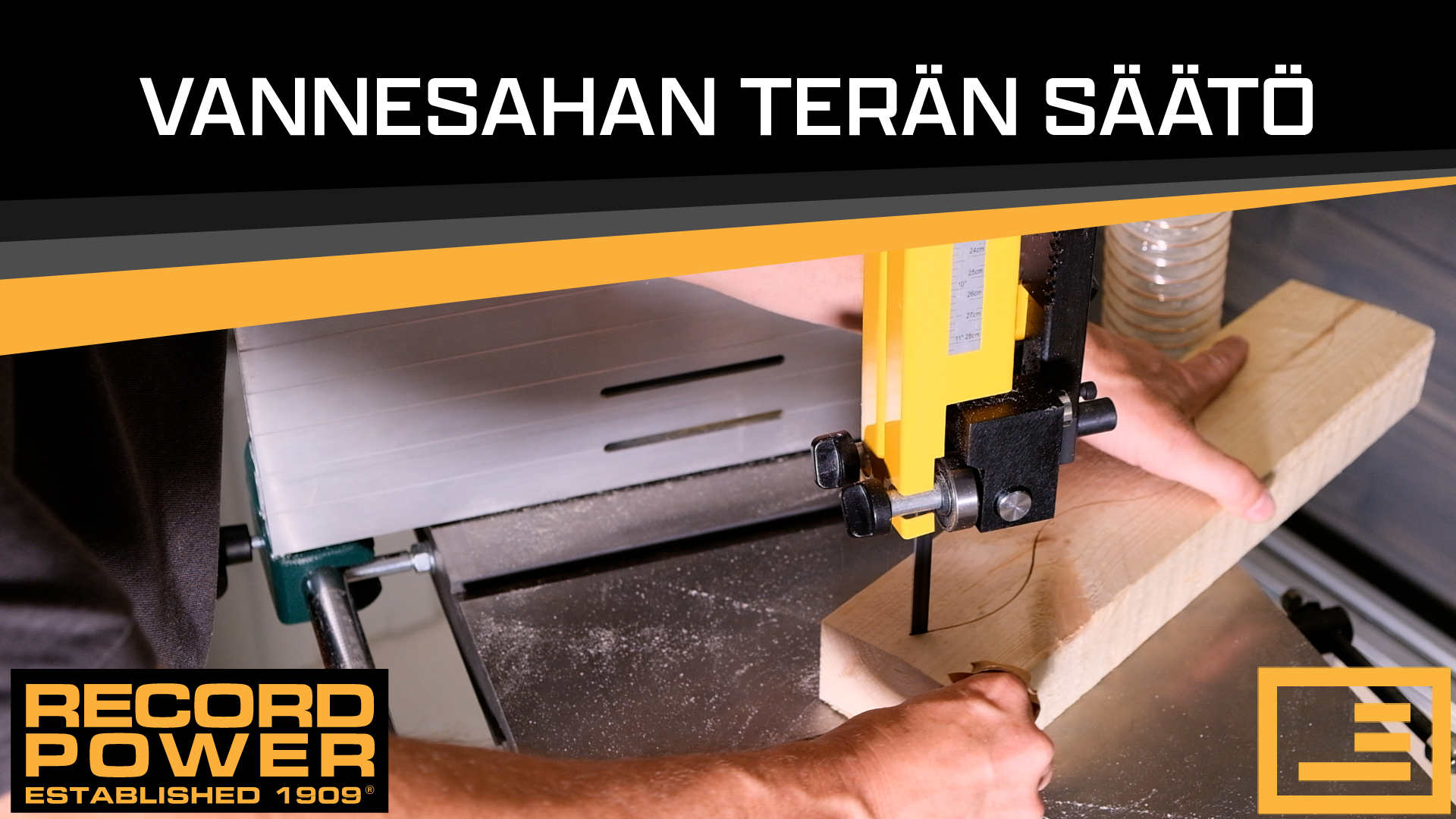
When starting a new project, a band saw is often the first machine to be used. Even if the machine is technically efficient, choosing the wrong blade will reduce the work result, wear out the engine and may lead to the blade breaking. At Nettivarstaa, we are often asked whether one universal blade is enough for all jobs. In theory, it is possible, but to achieve optimal and smooth sawing results, the blade must be selected according to the requirements of the job.
When choosing a bandsaw blade, physics determines performance. The width of the blade determines how effectively it resists lateral torsion. The wider the blade is from the back to the teeth, the stiffer it is longitudinally, which is crucial when cutting straight.
A wide blade guides itself and remains stable when sawing with a fence. It does not wander along the grain of the wood as easily as a narrow blade, resulting in a smooth surface that requires less finishing. If you try to cut a sharp curve with a wide blade, the back of the blade will catch on the saw groove and prevent the cut.
A narrow blade is designed for agile work and allows for precise curves. However, a narrower blade is structurally more flexible, so excessive pressure when cutting straight can cause the blade to bend and a skewed cut surface. The general rule is to always use the widest possible blade that the curve radius allows.
Before purchasing a blade, you should check the minimum and maximum widths specified by the band saw manufacturer. These limitations are based on the technical design of the machine.
Smaller models often have small rim wheels, which can put too much tension on a blade that is too wide and thick, which can lead to the blade breaking. In addition, narrow wheels may not support a wide blade properly. A wide blade also requires considerable tensioning force, and if the machine's frame or suspension is not strong enough, the blade will not be able to be tensioned enough for accurate cutting.
Nettiverstas recommends following the machine's technical specifications: installing a blade that is too large will not improve performance, but may cause damage to the equipment.
The width of the blade directly determines the smallest possible curve radius. For example, if the project involves curves with a radius of 50 mm, a 20 mm wide blade is not suitable for this stage of the work.
Below is a guide to the most common blade widths and their minimum radii:
Also pay attention to the blade's groove: a larger groove makes a wider groove, which makes it easier to turn the blade, but leaves a rougher mark. A professional result is achieved by always changing the blade according to the work stage.
A wide blade is the optimal choice for splitting (resawing), such as sawing a thick plank into thinner boards or veneers. A band saw is very efficient in this work, as there is little material waste.
For example, a 20 mm or 25 mm wide blade can withstand the feed pressure without bending laterally. This is a prerequisite for the end result to be of uniform thickness along the entire length of the piece. Wide blades also typically have a larger tooth spacing, which improves the removal of sawdust from a deep groove. Using a blade that is too narrow for ripping often results in an uneven and curved sawing surface.
The narrow blade is the right choice for precise contour cutting, such as curved furniture parts or cutting according to templates. The 6 mm wide blade is a versatile choice for most curved jobs, as it is sufficiently durable but also swivels.
Very narrow 3 mm blades require precise adjustment of the bandsaw guides to ensure they have adequate support just behind the teeth. When sawing with a narrow blade, it is important to maintain a moderate feed rate and allow the blade to cut freely without using excessive force.
The wider the band saw and its blade, the greater its beam strength. This refers to the ability to resist bending backward under feed pressure. If the blade bends, the angle of the teeth changes, causing friction, heating of the blade and loss of cutting accuracy.
A wide blade requires considerable tension to function properly. Lighter machines may not be able to tighten a 19 mm blade sufficiently, for example, which will impair the sawing result. A narrow blade, on the other hand, can be easily tightened, but there is a risk of overtightening, which can damage the blade or the machine's bearings.
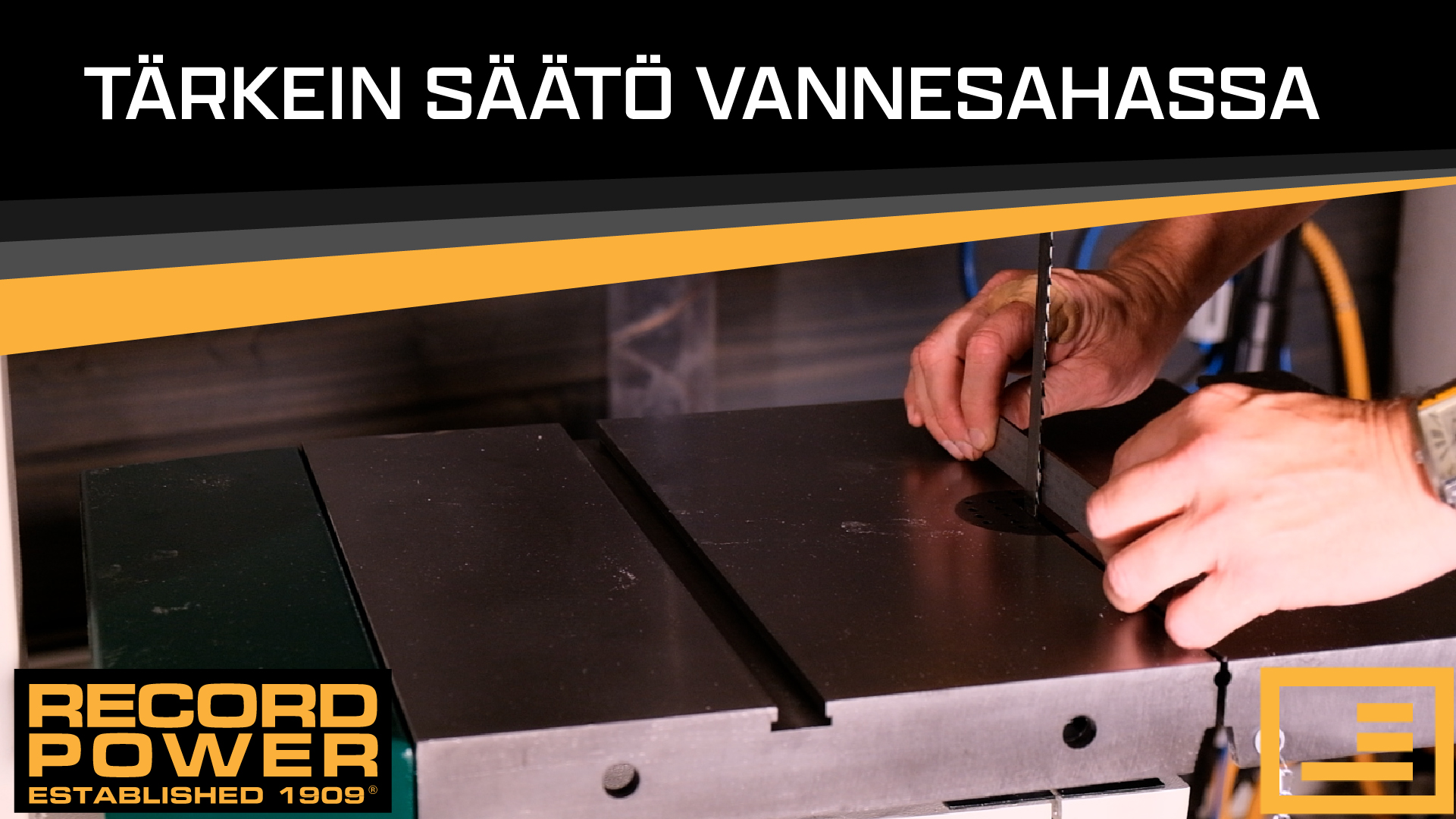
It is recommended to check the blade tension after each replacement. If the machine does not have a gauge, you can estimate the tension by pressing the blade from the side while the machine is turned off: the blade should only spring back a few millimeters with moderate force.
Choosing the right width is straightforward when you consider the following:
Choose a wide blade (13–25 mm) for ripping to ensure stability and a narrow blade (3–10 mm) for precise shaping. Changing the blade according to the work step only takes a moment, but it saves significant time in post-processing and improves the quality of the final result.
At Nettivarstaa you will find high-quality blades for all your needs. If you need help choosing, our experts will be happy to help you find the right blade for your machine and project.
100% Trustworthy online store with history
Expert customer service
Fast deliveries
Large selection directly from stock
No middlemen - save on the price






 Suomeksi
 På Svenska