Login
Login
Shipping Country
Super CLEARANCE CAMPAIGN - Selected tools and accessories with Super Special prices! - CHECK HERE
READ MORE
Login
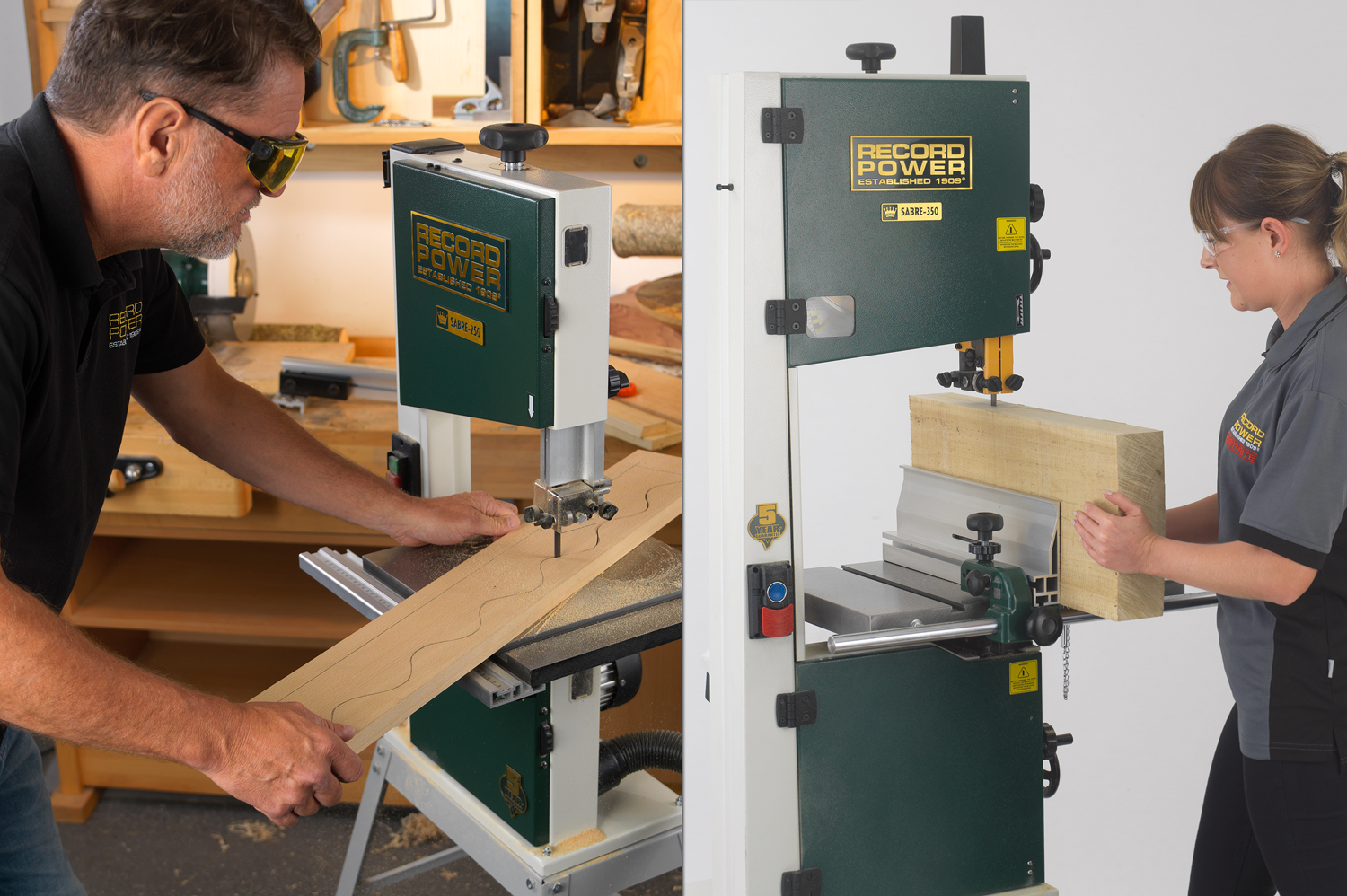
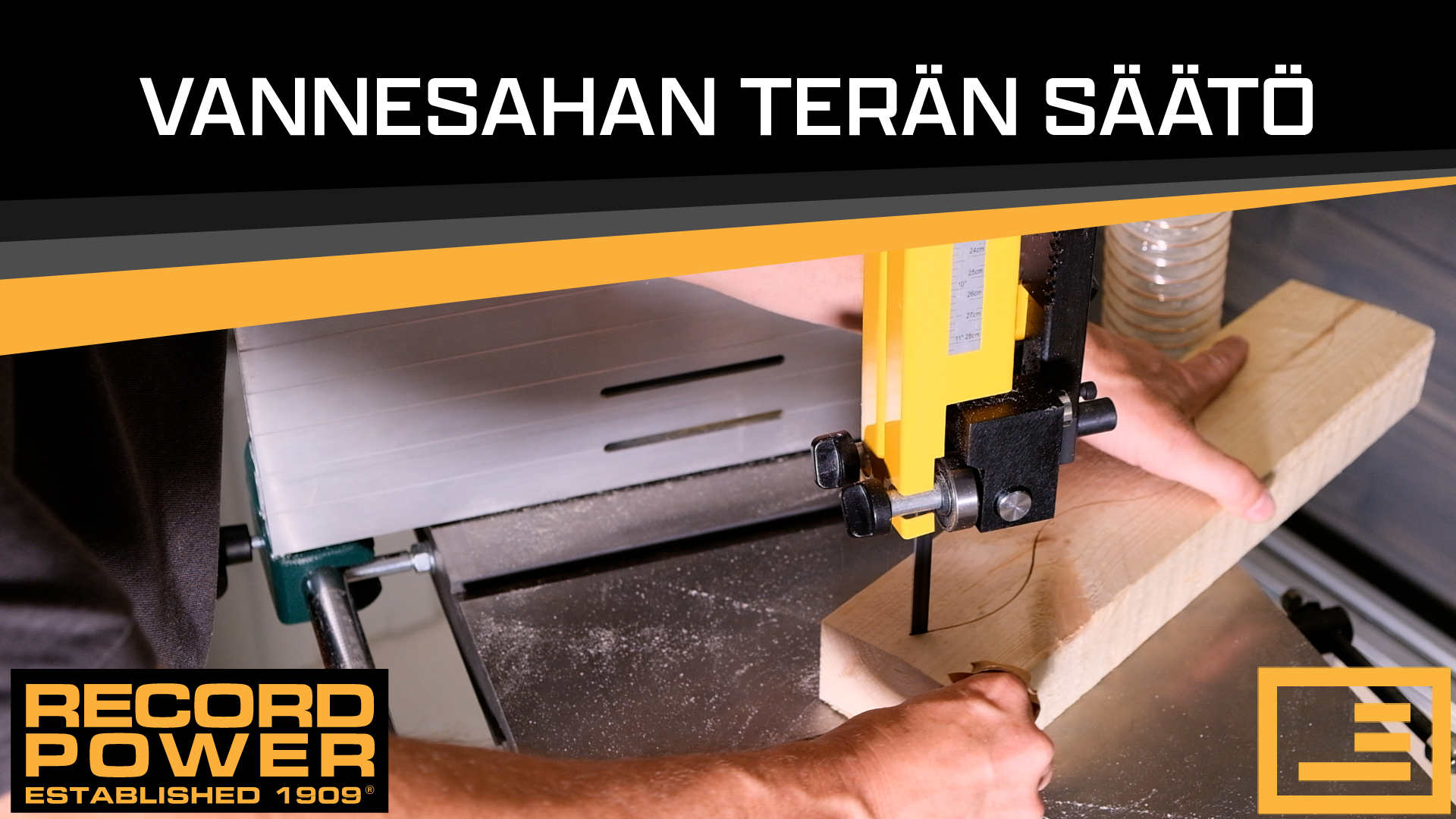
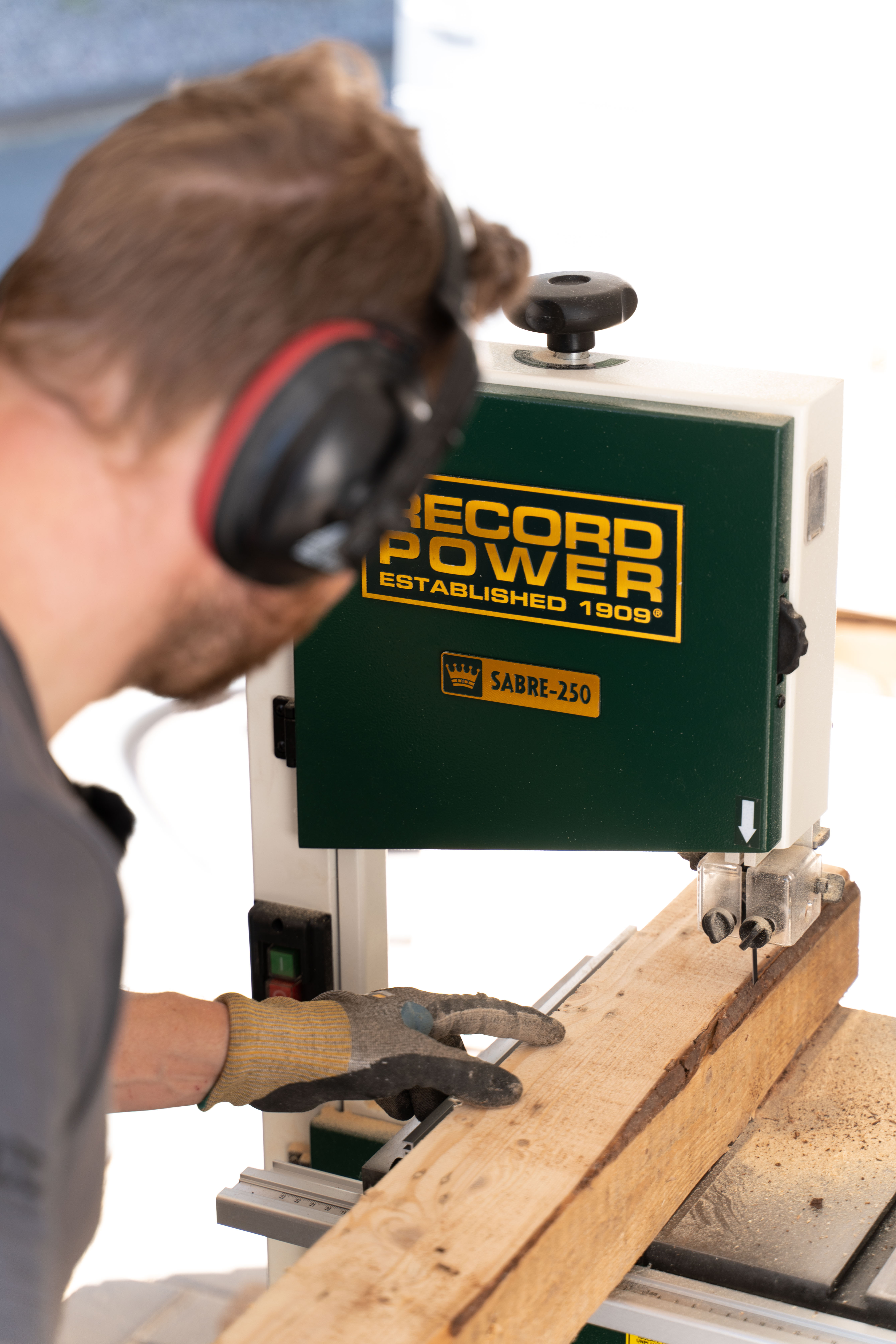
Many hobby and professional workshops have a band saw in use, or are currently considering purchasing one. A band saw is a multi-purpose tool that makes longitudinal cuts and precise curved shapes smooth. However, the question often arises at the workbench: could the same machine be used to work on both wood and metal? The idea is attractive, as it would save space and purchase costs.
A technical style is possible, but in practice wood and metal require very different properties from the machine. The compromises are quickly visible in the work and in the wear of the blades. The devices are designed for different uses, from engine power to frame rigidity. If you are planning to purchase a new device for your workshop, it is worth familiarizing yourself with the different device models and comparing them carefully. For example, see high-quality band saws for different applications. Next, we will take a closer look at the factors that distinguish these two types of devices from each other.
The biggest practical difference between wood and metal working is the blade speed, i.e. how many meters the saw blade moves per minute. Wood is a porous and fibrous material that requires a high cutting speed. High speed cuts the wood fibers cleanly without tearing, so the workpiece is immediately ready for further processing. Blade speeds for wood-powered band saws are usually 800–1500 meters per minute.
When working with metal, the situation is different. Steel, aluminum and other metals are dense and hard materials, and sawing them creates a lot of friction. If you try to saw metal at the speed of a wood saw, the friction heat will rise too high within seconds. This will cause the teeth of the saw blade to lose their hardness and become damaged beyond use. The blade speed of a metal band saw must therefore be considerably lower, typically only around 20–90 meters per minute. A slow and steady speed ensures that the blade bites into the material without the risk of overheating.
Speed ??control alone does not make a wood saw a metal saw, as there are major differences in the mechanical design of the equipment. Metal band saws are designed to withstand significant torsion and mechanical stress. Their frame is often made of cast iron or thick steel to achieve sufficient rigidity. If the frame flexes during sawing, the blade will start to wander and the saw mark will become crooked. In many metal saws, the cutting height is adjusted by lowering the sawing arc downwards through the workpiece. In wood saws, on the other hand, the workpiece is pushed by hand over the table against the vertical blade.
Another decisive factor is lubrication and cooling. Due to the heat generated when machining metal, most metal band saws are equipped with an integrated cutting fluid system. The system pumps fluid directly to the cutting point. The cutting fluid cools the blade and workpiece and flushes fine metal chips out of between the teeth. A similar fluid circulation cannot be used in woodworking. When wood gets wet, it swells and clogs the teeth of the blade with wet sawdust. Wood saws therefore use an efficient sawdust extraction system that sucks fine dust directly from the vicinity of the saw kerf and keeps the inside of the machine clean.
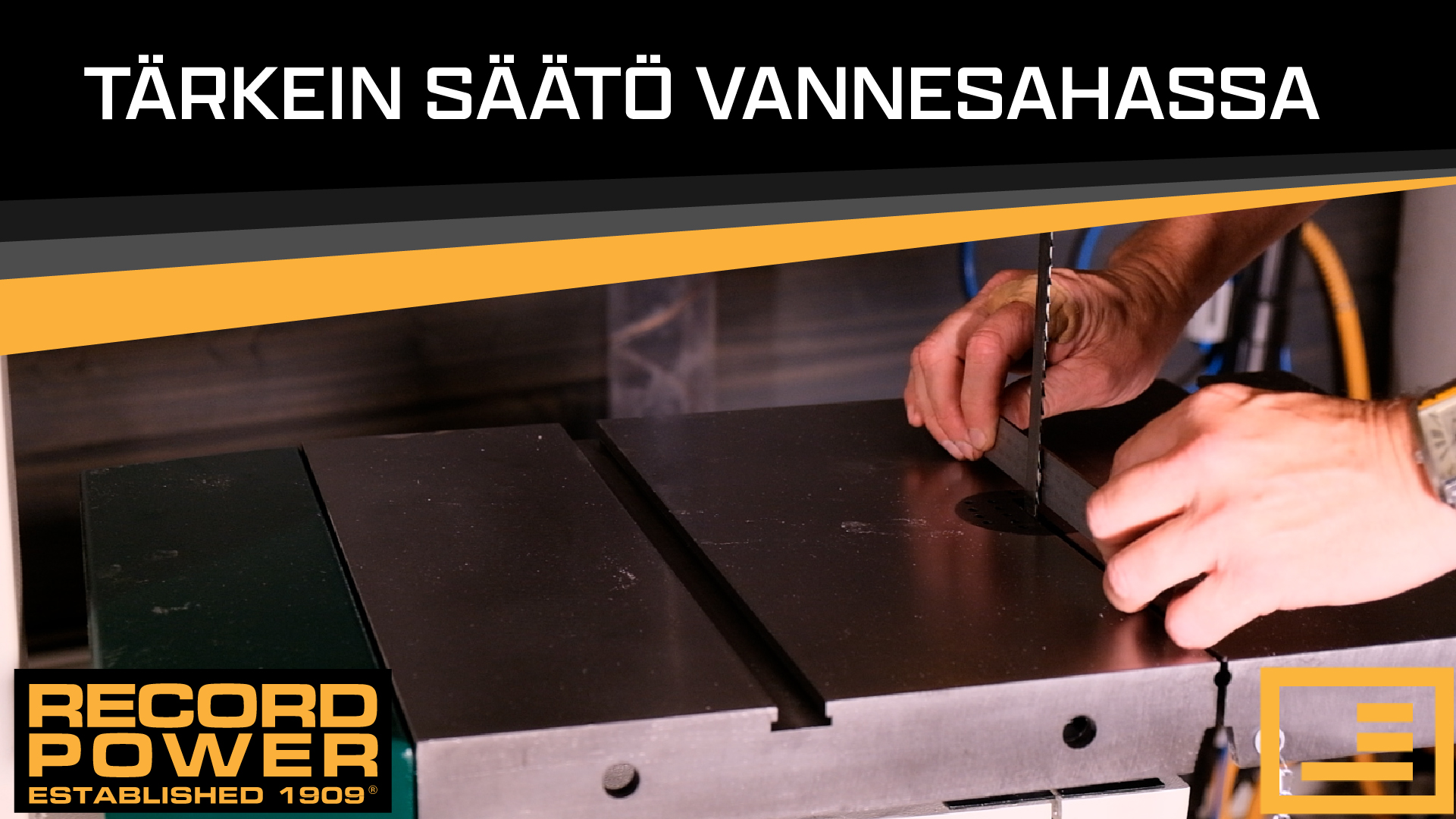
In addition to the structure of the frame, the saw blade determines whether the cut will be clean or whether the material being processed will be ruined. Blades intended for sawing wood and metal differ in tooth density, shape, and material of manufacture.
In woodworking, sparsely toothed blades are used, with a tooth density indicated as TPI (teeth per inch). A blade suitable for sawing wood is typically 3–6 TPI. The sparse teeth mean that the gaps between the teeth, or sawing spaces, are large. When the blade splits the wood quickly, the large gaps effectively transport the sawdust away from the groove. With dense teeth, the sawdust would pack into the cutting area, causing the blade to heat up from friction and the wood to start to char.
Metal cutting, on the other hand, uses much denser blades, usually with a tooth pitch of 10–24 TPI. This is due to the cutting technique: when working with metal, at least three teeth must be in constant contact with the material being cut. If the teeth are too sparse, a single tooth will bite too deeply into the metal edge. As a result, the teeth can break or the blade can break completely.
The materials used to make the blades also differ. Metal blades often use a bi-metal structure. The high-speed steel teeth welded to a flexible spring steel frame can withstand heavy wear and heat, but can also withstand continuous bending on band saw wheels without breaking. When sawing wood, cheaper carbon steel is often sufficient, although for demanding professional use, carbide blades offer excellent cutting results and durability.
Band saws are available on the market with electronic or mechanical speed control for different blade speeds. Although such a machine solves both needs on paper, constantly switching the same device between wood and metal processing poses challenges in practice.
The biggest risk is related to fire safety. When sawing wood, fine wood dust accumulates in the machine frame, engine compartment and dust extraction ducts. If the same machine is used to saw metal immediately afterwards, hot metal chips and sparks are generated during the machining. Sparks flying into the flammable wood dust creates a serious fire hazard. In workshop use, such situations can lead to major damage.
Another practical challenge is the mixing of lubricants and sawdust. The cutting oils used in metal band sawing make the internal parts of the saw sticky. When fine wood dust accumulates on oily surfaces, a sticky mass forms, which clogs the blade guides and fouls the rubber surfaces of the wheels. This can cause the blade to slip out of place. Dry and clean conditions are the basis for the long service life of a wood saw, while a metal saw requires lubrication to function properly.
A comparison of materials and machine principles shows that specialization pays off. A wood band saw is a fast and clean tool that makes precise curved shapes and clean splits without tearing. A metal band saw, on the other hand, requires low RPMs, extreme frame rigidity, and often liquid cooling to withstand machining of metal alloys.
If you work with both materials regularly, purchasing two separate devices is often the safest and most efficient solution. It saves time from constant blade changes and thorough cleaning. At the same time, you ensure occupational safety and the best possible end result. A high-quality band saw is a long-term investment that pays for itself in smooth work and time saved.
In the wide selection of Nettiverstaa you will find top-class band saws and accessories for both hobbyists and demanding professionals. We offer expert help in choosing the right machine. Thanks to direct import channels, we can offer the equipment at a competitive price. Explore the selection and find the tool that best suits your needs!
100% Trustworthy online store with history
Expert customer service
Fast deliveries
Large selection directly from stock
No middlemen - save on the price






 Suomeksi
 På Svenska