Login
Login
Shipping Country
WINTER CAMPAIGN - Selected Record Power machines and accessories with Special prices! - CHECK HERE
READ MORE
Login
Woodturning is one of the most rewarding forms of woodworking. While many other machines require long preparations and precise measuring, a lathe allows you to be creative and see a shape emerge before your eyes almost instantly. But before the first chip flies, the biggest challenge lies ahead: choosing the right machine.
The market offers everything from hobbyist machines costing a few hundred euros to professional machines costing several thousands. For a beginner, this jungle can be confusing. In this guide, we go through which features truly matter and where you can perhaps save – and where you should definitely not save if you want to keep your nerves and the joy of the hobby ;)
The first and most important question is the primary intended use. Although both machines rotate a workpiece, they are technically very different. A metal lathe is designed for extreme mechanical precision, and the tool is invariably guided by a tool slide and screws. In a wood lathe, the tool is mostly guided by hand on a tool rest.
If your goal is to make bowls, pens, candlesticks, or furniture legs, you need a wood lathe specifically. A wood lathe is simpler in construction, but it allows for much freer and more organic shaping. There are combination machines, but they are often poor compromises in both directions. At Nettiverstas, we believe a tool should be chosen based on what you primarily do with it.
Woodturning is more of a craft art than fine mechanics. Where CNC machines handle the job guided by a computer, at the lathe, you are the one who feels the wood grain and reacts to the material. This is exactly what makes turning so addictive.
The size of a lathe is usually indicated by two measurements: distance between centers and swing over bed (center height). These define how large a piece fits in the machine.
A common beginner's mistake is to buy a lathe that is too small "just in case." Appetite grows while eating. Even if you start with small items, you will soon find yourself wanting to try a larger bowl. Therefore, we recommend choosing a machine with sufficient swing and the possibility to extend the bed later if more length is needed.
A lathe doesn't need dozens of horsepower, but it must have torque. Especially when turning a large, unbalanced log, the motor is put to the test. A 500–750 watt motor is a good starting point for a mid-sized hobbyist lathe.
There are two schools of thought in speed control: manual belt shifting and Electronic Variable Speed (EVS). Old-school turners say shifting belts is part of the craft, but we say: don't do that to yourself. Stepless, electronic speed control is a feature worth paying for. It allows you to adjust the speed on the fly without having to open covers and adjust belts. It significantly improves work quality and safety.
Why is speed important? With a large, raw piece of wood, you start slowly (maybe 200–400 rpm) so the machine doesn't vibrate apart. As the piece becomes round, you can increase the speed for a better surface finish. If speed adjustment is difficult, you'll easily skip it, and it will show in the final result.
This is a point where you should not save. A lightweight lathe is a curse. Woodturning always generates vibration, especially in the early stages of work. Cast iron is the best material for the lathe frame, bed, and stands. Cast iron absorbs vibration and provides the mass that keeps the machine in place.
If you buy a cheap machine with a sheet metal frame or one made of light aluminum, you will soon notice that the whole table (and sometimes the whole workshop) vibrates when you try to turn anything larger than a pen. A heavy lathe is a stable lathe, and a stable lathe allows for a clean cut. If possible, choose a machine that weighs at least 30–50 kg – and even then, it is often worth bolting it to a sturdy bench ;)
The lathe itself is only half the package. To mount the wood and shape it, you need accessories. A basic beginner's kit includes:
Preparing workpieces before turning often requires other machines. For example, cutting round blanks from a plank is much easier and safer if you have high-quality bandsaws. A round blank saves the lathe and the turner from unnecessary vibration.
Also, don't forget dust extraction. Turning produces huge amounts of chips and fine dust when sanding. Efficient dust extractors keep the air clean and prevent you from drowning in shavings after an hour of work.
Turning is safe as long as you follow a few basic rules. When choosing a machine, pay attention to the emergency stop button (preferably magnetic and movable) and the safety guard.
The most important safety equipment, however, is the turner's own protection:
Sometimes people ask, can you use sophisticated Festool-level systems in woodturning? Yes, many general tools can be adapted, but turning itself is a very specific equipment sport where safety always starts with correct technique and respect for the rotating mass.
This is where many are surprised. If you only budget for the price of the lathe, you are halfway there. Here is a rough estimate for a quality starter kit that will last a long time without the immediate need for upgrades:
In total, we are talking about an investment of approximately 1,200 – 2,300 euros. It may seem like a lot, but a quality lathe retains its value excellently. If you buy a cheap "sheet metal lathe" and terrible chisels, the hobby will likely end in a month due to frustration. Turning with quality equipment is pure pleasure, and the machine will serve you for decades.
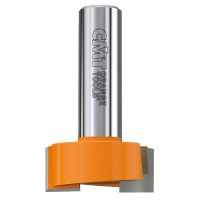
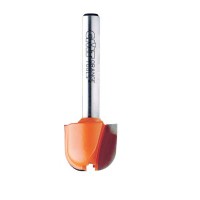
When you compare this to other woodworking equipment, you'll notice that, for example, specialized router bits and routers can also cost a fortune, but a lathe is a small factory in itself. You can manufacture almost anything round, as long as the tools are sharp and the attitude is right.
At Nettiverstas, we believe that honesty lasts longest: buy a proper one once, and you'll save money in the long run. If you are unsure, ask us. We don't do empty sales pitches; we tell you which machine suits your specific needs. Welcome to the world of woodturners!
100% Trustworthy online store with history
Expert customer service
Fast deliveries
Large selection directly from stock
No middlemen - save on the price






 Suomeksi
 På Svenska