Super CLEARANCE CAMPAIGN - Selected tools and accessories with Super Special prices! - CHECK HERE

READ MORE
Shipping Country

Record Power - Chuck Jaw Range

Record Power - Chuck Jaw Range

4 years ago

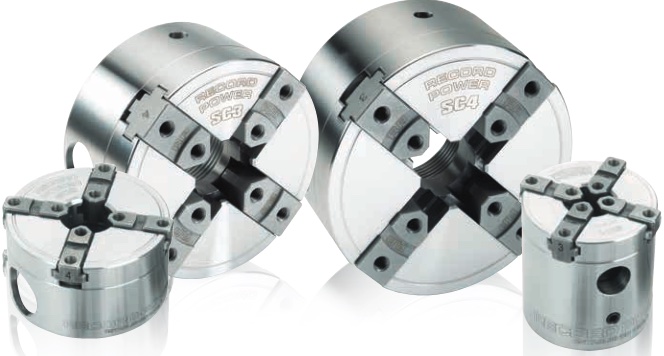
SC3 and SC4 Chuck Jaw Range:

Choosing the Best Jaws for the Job


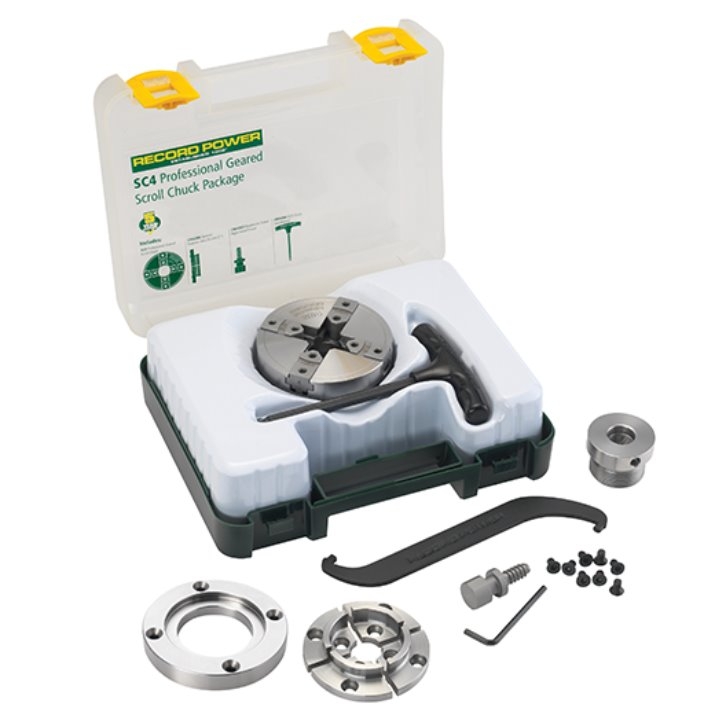
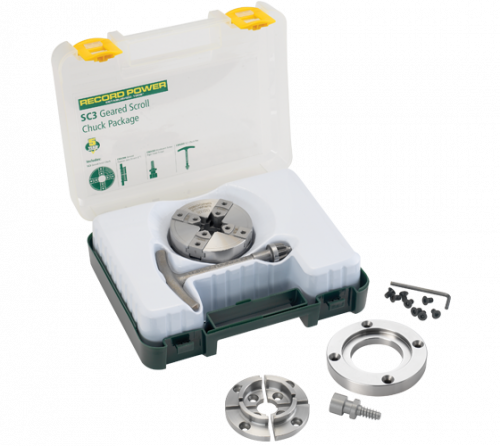
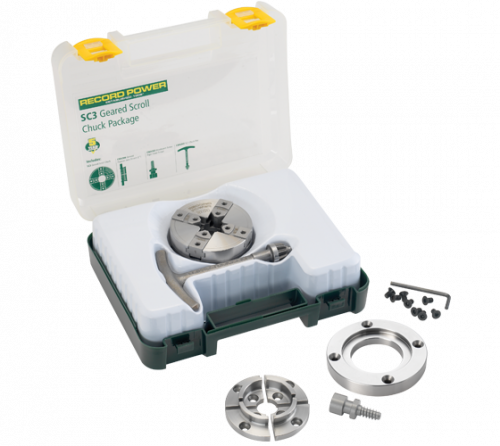
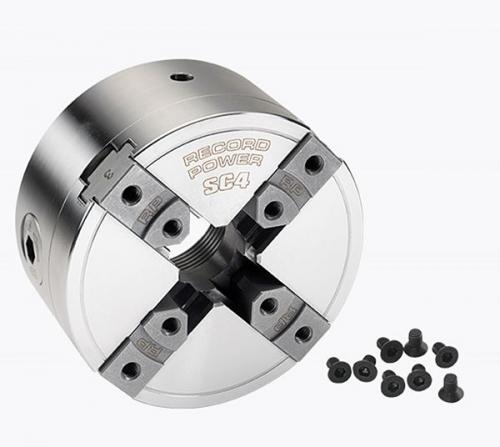
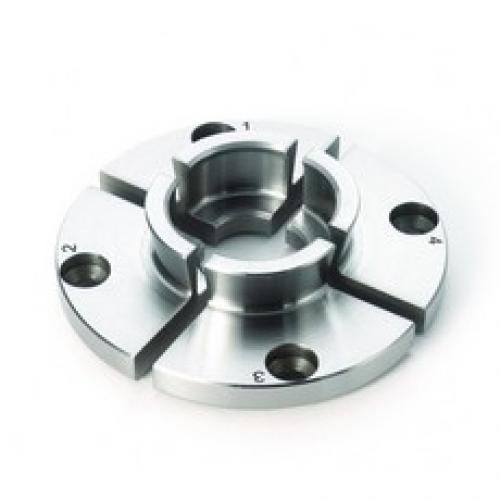
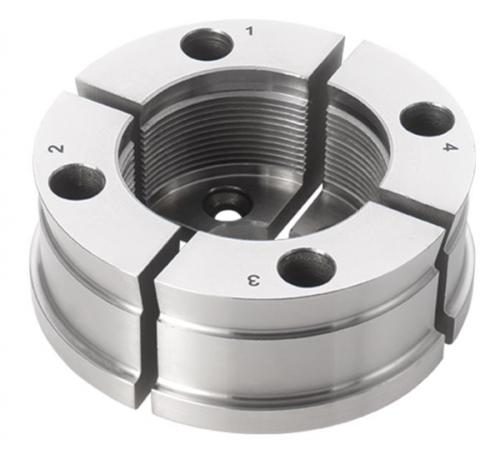
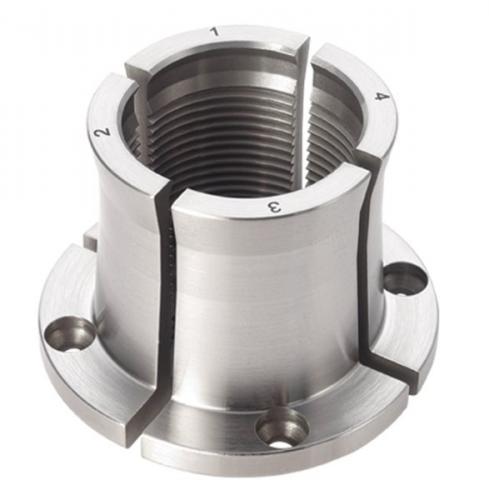
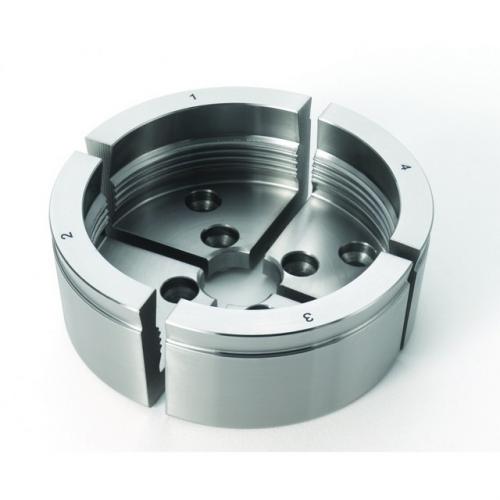
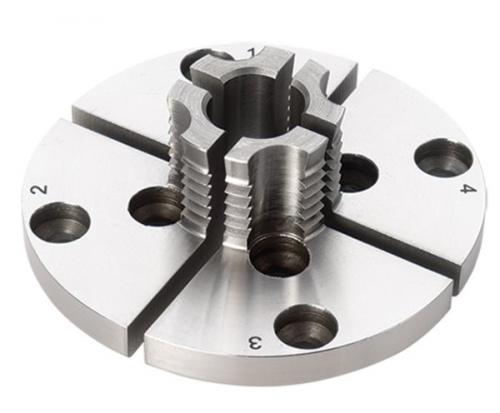
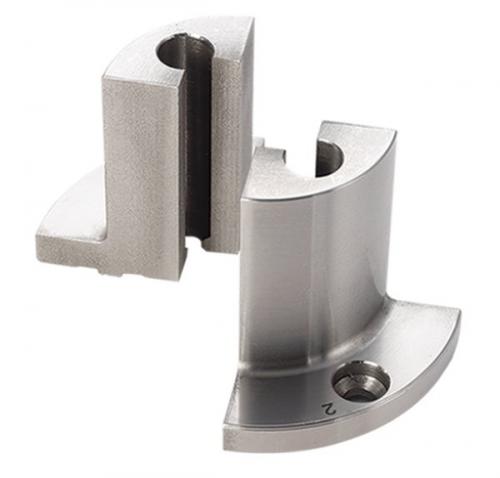
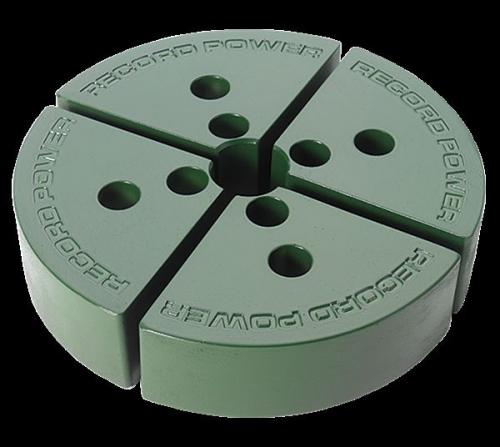
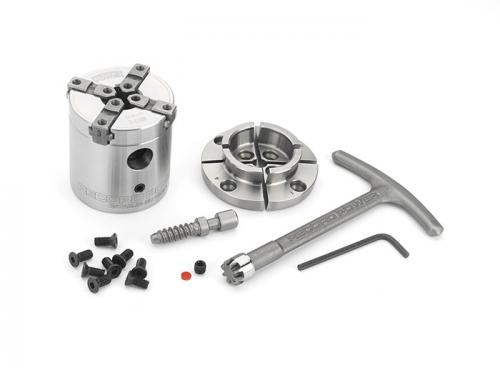
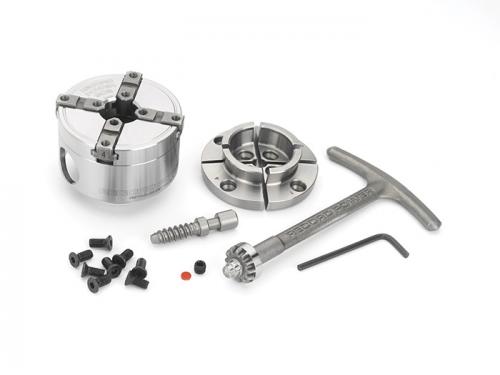
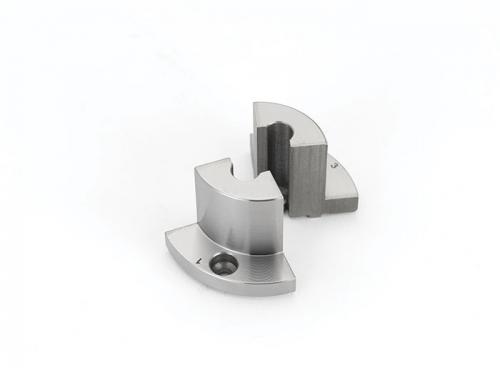
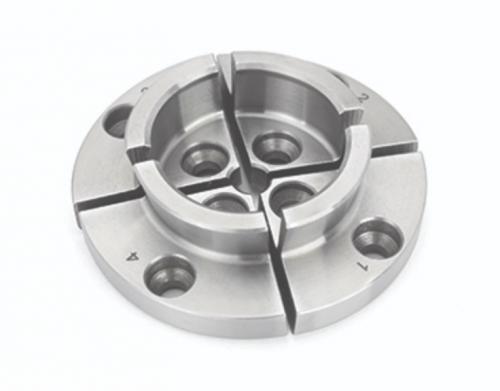
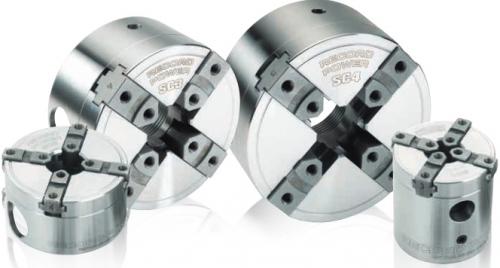
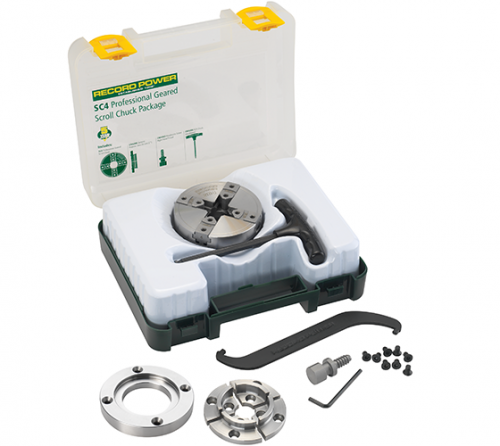
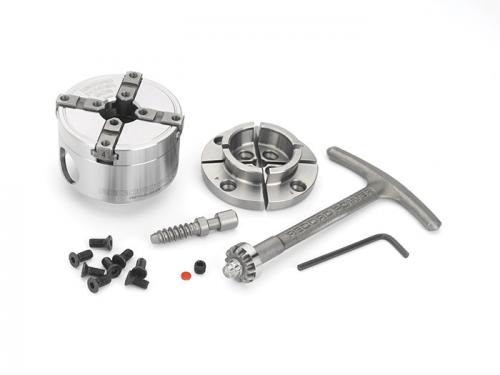
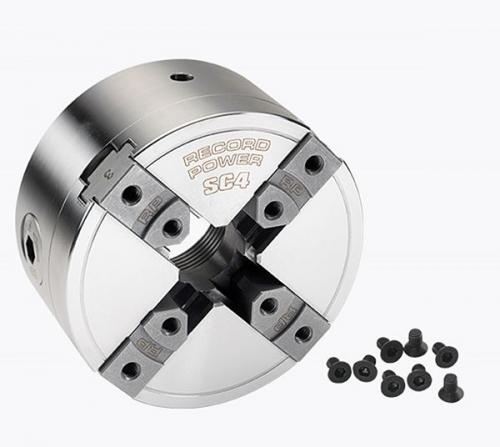
Our exclusive range of premium woodturning jaws have been carefully developed with professional woodturners and keen amateurs to offer optimum quality, flexibility and value for money and fit both the SC3 and SC4 chucks.


Recommended Grips and Jaw Profile Uses

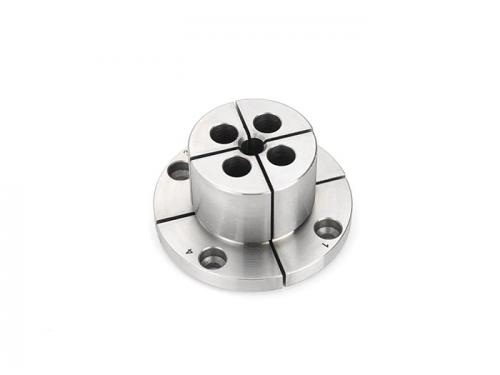
There are 14 types of jaws in the SC3 and SC4 range. Some are suited for specific applications and others can handle a wide selection of projects.

Internal or External Grip?

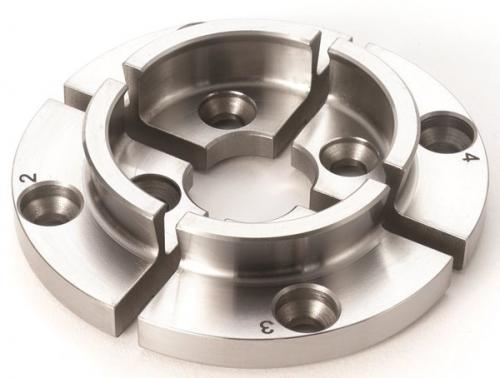
There are a number of jaws that grip the workpiece both internally (expanding into a recess) or externally (contracting around a spigot) and can offer equal strength with either function.

Some of the main considerations when choosing the most appropriate grip are the material composition, design, functionality and finish of your turned creation.

If turning a small bowl, then you may want the bowl to have a foot. In this case a suitably sized jaw can be used to contract around an appropriately sized spigot, to become the base.

Alternatively, you may want the bowl to rest flat on a surface, in which case a recess may make sense. Thought should be given to the material composition to ensure there is sufficient strength around the outside perimeter of the recess to resist the forces of the chuck (minimum 20mm or ¾”). If you use the optimum recess, as set out in the table overleaf, the jaws of the chuck will barely mark the work, so you can finish the outside of the bowl completely, including applying finish before it is reversed for hollowing.

If you are turning a very wide platter, the timber will be large, heavy and expensive, so it probably does not make sense for it to start off an extra inch or two in depth to turn all the way down to a spigot. In this case you would want to use a recess and as there will be limited depth to play with you will need as much grip as possible. You might use a large diameter dovetail jaw like the 62317 130 mm Dovetail Jaws, where the optimum recess diameter is 130 mm.


However, if you were making a large, deep bowl or big, hollow vessel where there will be more weight to support further away from the jaw – you will probably want some wall depth and a backing register to provide additional support, such as the 62322 Heavy Bowl and Gripper Jaw which has depth for a big long spigot with teeth and a dovetail, as well as a broad external face that can act as a register and additional support. Or you might opt for the 62329 Dovetail and Deep Gripper Jaw in expansion mode and use the depth of the side wall to provide additional support.


Jaw Capacities Explained

It is a common misconception that that the wider the range of sizes a jaw will accommodate (as quoted in the expansion and contraction specifications), the more useful they must be. But this is not necessarily the case. Whether expanding into a recess or contracting onto a spigot, the more contact there is between the timber and the jaw - the better the hold.

This means there is an optimum diameter for each jaw, that will give maximum surface contact with the timber. Due to the varying thicknesses of jaws, there will be an optimum size for a spigot to contract onto and another optimum size for a recess to expand into. And because of the different jaw diameters – there will be different optimum sizes for each spigot and recess used with that jaw.

So, whilst we do show the full opening and closing travel of our jaws (as all our competitors do) we also show the optimum recess and spigot size for each jaw to provide maximum contact.


Frequently asked questions

How many jaw options are there for the SC3 and SC4?

Fourteen different jaws. Some are intended for a specific use, others suit a wide range of projects.

What are internal and external grips?

Many jaws grip the piece from the inside by expanding, or from the outside around a tenon. Both give equally strong holding force; the choice depends on the material, the intended use and how the piece will be finished.

What is the optimum jaw size?

The one that gives the largest contact area with the wood — the more contact, the stronger the grip. Jaw thickness varies, so the tenon and the recess have different optimum sizes.

Why is a best size given as well as the capacity?

Full capacity only states the outer limit. The best recess and tenon size shows at which dimension the contact area, and so the grip, is greatest.

Read also

Comments
Greetings from the Record Power team
Laser cutting machine for school: What to consider?
An air cleaner improves workshop safety — video and a customers experience
An air cleaner improves workshop safety — video and a customer's experience

The Record AC400 air cleaner protects your lungs
In-Depth: The CamVac Range of Dust Extractors
CamVac Dust Extraction Machines - An International Success Story
In-Depth: The Science Behind CamVac Dust Extractors
Yonawood built an effective dust extraction system from sewer pipe
Record Power high quality Chucks - what makes premium chuck?
User experience: the Record Herald lathe — a compact premium-class wood lathe
VIDEO: Using Lathe Chisels - Record Introduces New Lathe Chisels
Finnish Olympic Athletes Summer Series - DIY - Building a Terrace Table from Recycled Material
Finnish Olympic Athlete's Summer Series - DIY - Building a Terrace Table from Recycled Material
Video: Record Power CamVac cyclone extractors — power made in England
VIDEO: Record Sabre 350 vs. Sabre 450 - the differences between premium bandsaws
VIDEO: Operating principle of the Record CamVac cyclone
VIDEO: Record Power WG200 and WG250 — wet grinders with a five-year warranty
Why buy a Record woodworking machine? Which is the best bandsaw, wood lathe or wet grinder?
Coronet Herald, Envoy and Regent - Premium-class Lathes
Record turning tools are made in Sheffield, England
Yeti SmartBench – a genuinely different CNC machine | Carry it with you or lift it onto a shelf — still full sheet capacity
Yeti SmartBench – what are the benefits compared with a conventional CNC machine?
A DIY workshop bought a SmartBench for its members to use
The Record Sabre series — a new standard for premium bandsaws
Bandsaw Buyer’s Guide - Why Buy a Bandsaw?
The Story of the Coronet Range
The Full SC Series Range of Record Power Chucks
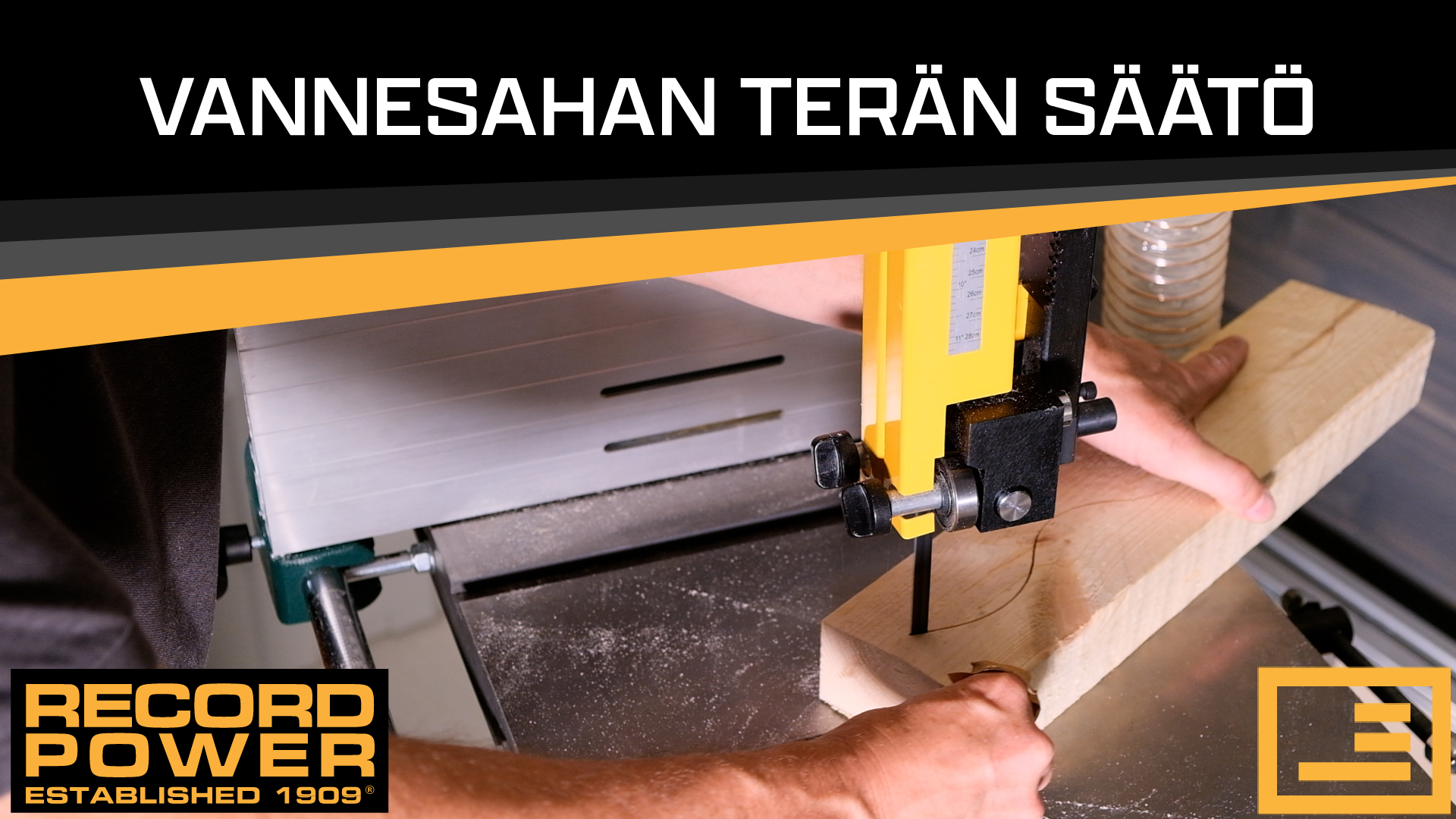
VIDEO: How to adjust bandsawblade?
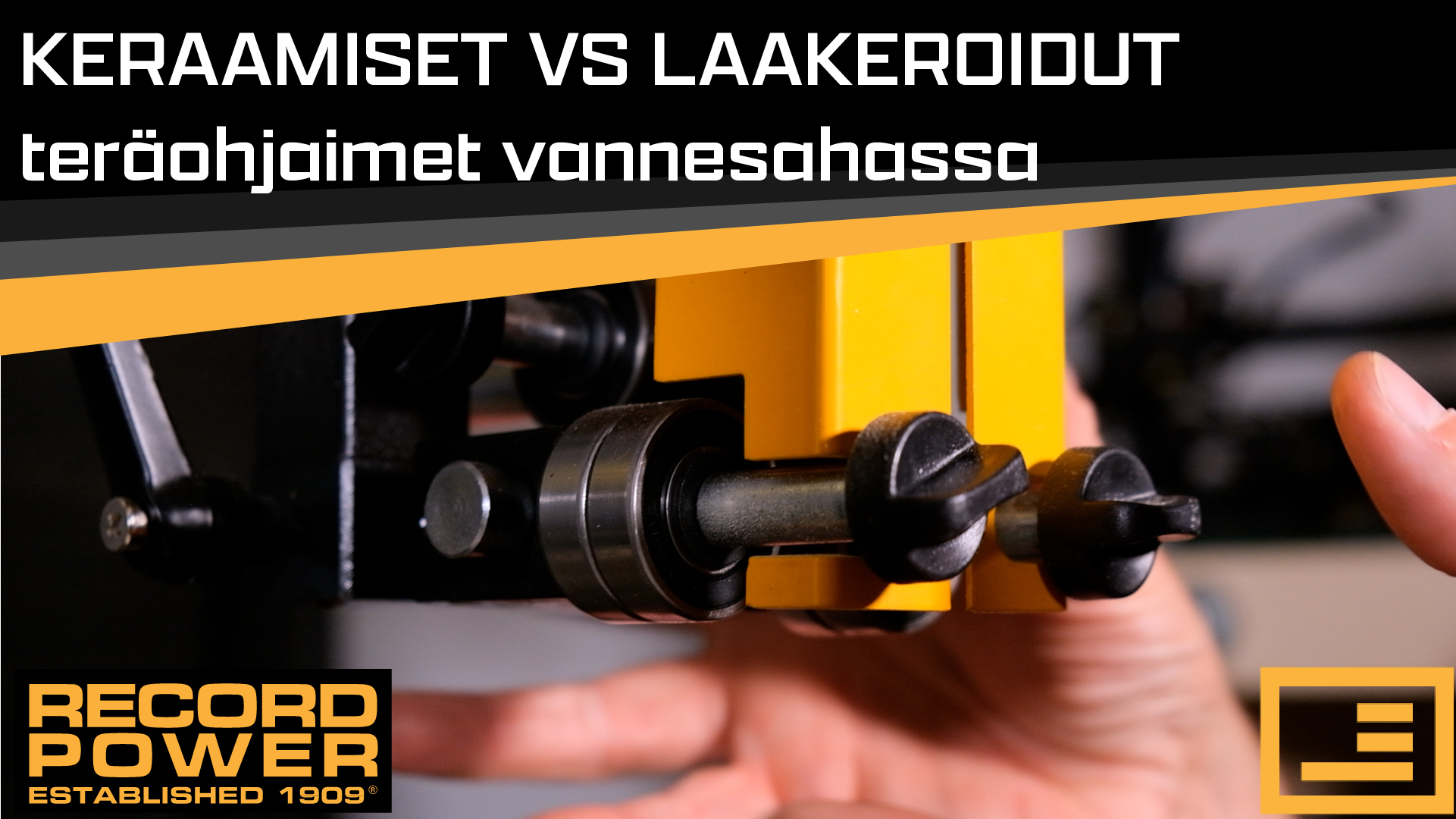
VIDEO: Bandsaw blade guides — ceramic blocks or bearings?
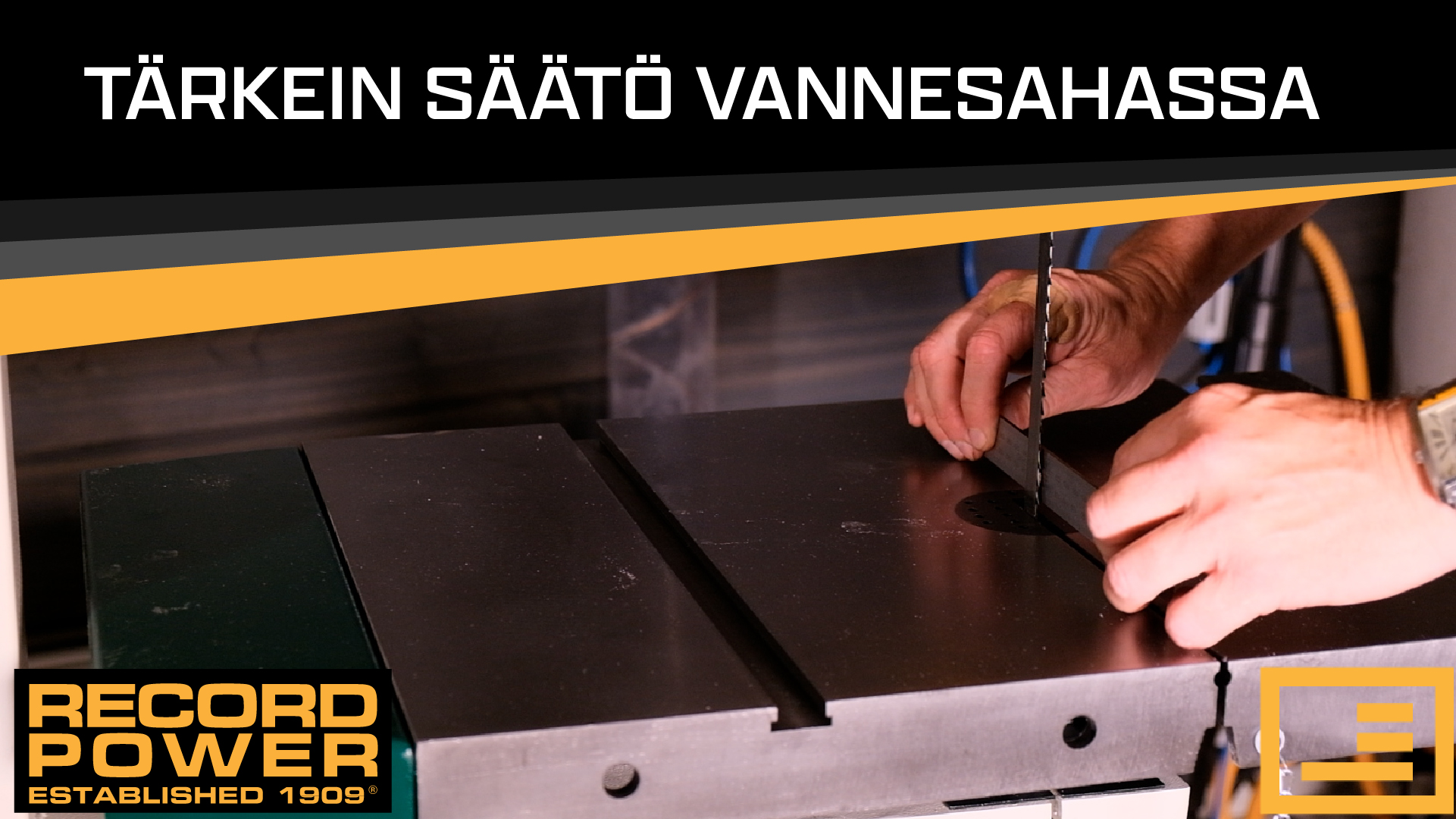
VIDEO: A bandsaw is a precision tool — the one adjustment that stops crooked cuts
General Guide to Laser Cutting
Different types of laser machines - Before you buy Guide
Investing to a Laser cutter / Laser engraver: Is it worth it? Using and maintenance.
xTool - Differences between different laser devices - What is the difference between CO2, Diode and fibre laser?
How do you properly size a wood dust extractor for your workshop? - a simple formula for success
How do you choose the right chisels for a wood lathe? - a quick guide to different blade profiles and their uses


Look also
Loading...