Login
Shipping Country
Super CLEARANCE CAMPAIGN - Selected tools and accessories with Super Special prices! - CHECK HERE
READ MORE
Login
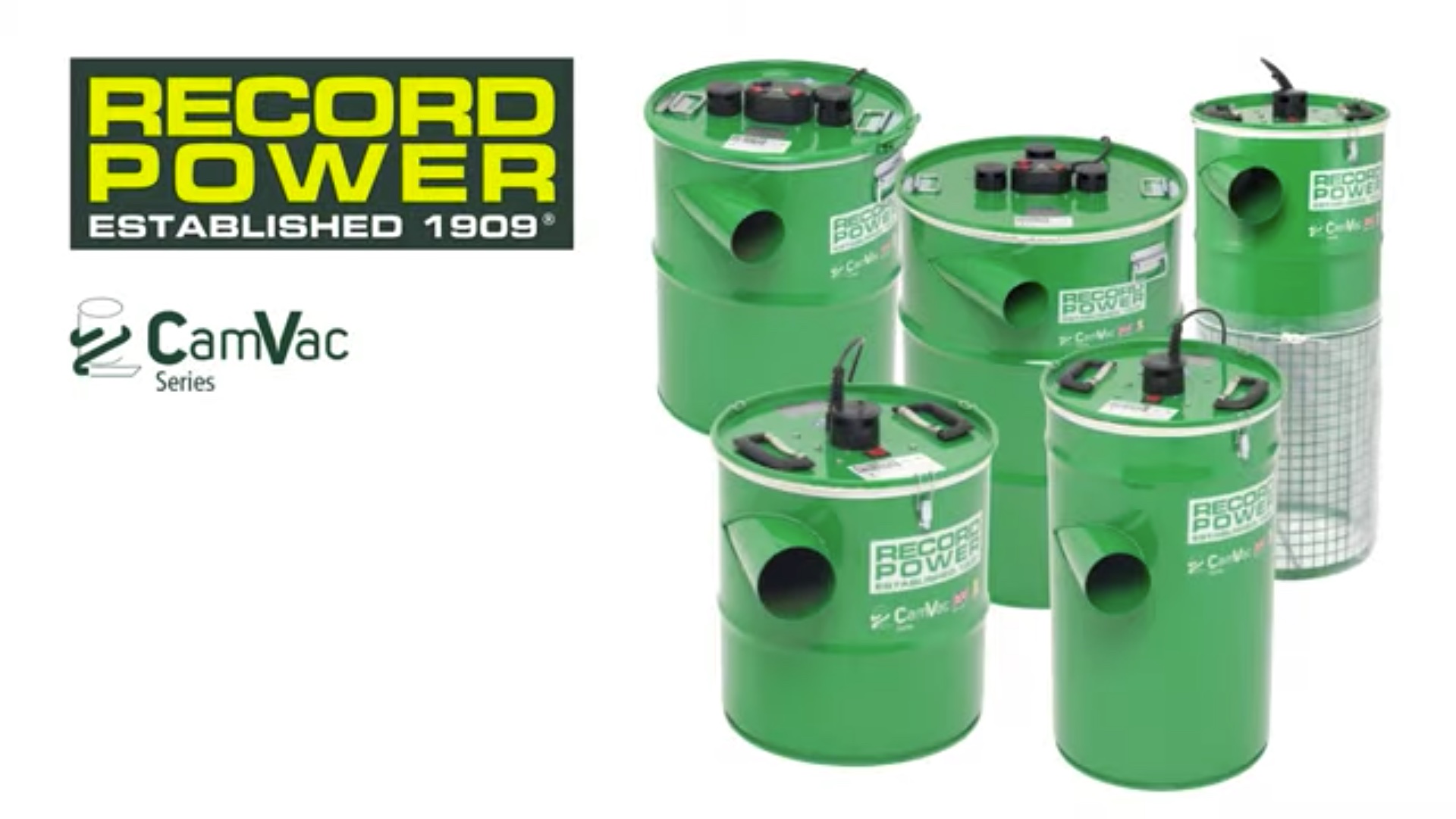
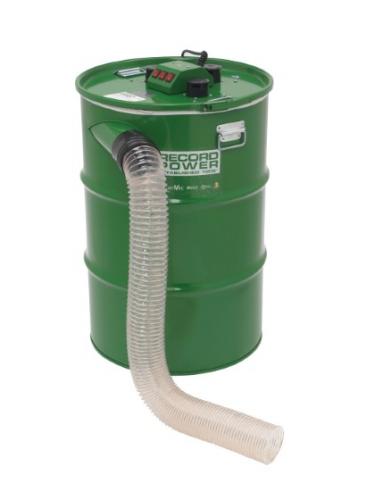
We often speak of the versatility of our CamVac range of dust extractors and there are a number of scientific reasons for this, relating to the design and performance of the machines and how various factors interact to create machines that make them suitable for a wide variety of extraction scenarios.
They key to the versatility of CamVac machines, in a word, is power. 
In this context, power is the expression of the inter-relation of two other key units – pressure and volumetric flow rate. The formula for this interaction is: power equals volumetric flow rate multiplied by pressure, or:
Volumetric flow rate: this is a measure of the amount of air moving through the system over a period. A single CamVac motor gives a volumetric flow rate of 55 litres per second and this rate increases with each additional motor fitted to a machine.
Pressure: this is the pressure differential the motor creates during operation. Each CamVac motor is capable of producing a maximum of 21 kPa (kilopascals) of pressure.
The volumetric flow rate which the motor creates is a key factor for any dust extraction system and the fact our CamVac machines also create high pressure gives them much greater flexibility than the standard chip extractor design.
Bearing in mind that volumetric flow rate and pressure determine power, it is possible to affect the velocity of material passing from the waste creating machine (a bandsaw, for example) to the CamVac dust extractor. To increase the velocity of waste travel, a smaller diameter extraction hose, such as our 2 ½” hose, can be used. This is particularly useful for larger, heavier waste such as chippings produced by a planer thicknesser.
The resistance created by a smaller diameter hose (and the introduction of the waste itself) means that - because the volumetric flow rate created by the motor does not change - the speed at which the waste is drawn into the extractor must increase, in order to pull through the same amount of waste in the same period that the volumetric flow rate dictates.
This effect can be expressed using the equation:

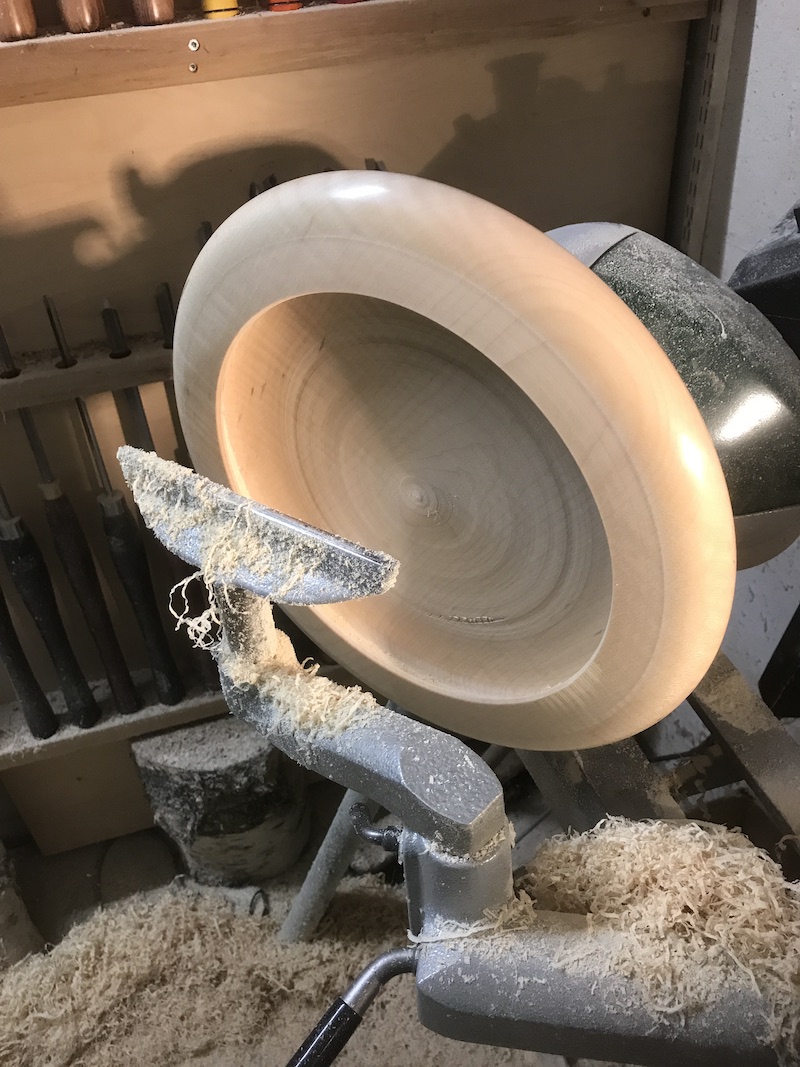
 When extracting finer materials, such as wood dust created by a sanding machine or a bandsaw, a larger diameter extraction hose, usually 4”, is recommended. This is because fine wood dust, being much lighter than chippings or shavings, does not need as high a velocity to keep it moving through the system. 4” piping is also very useful for minimising blockages in the dust extraction systems of woodturners who produce long shavings, which can collect in clumps and cause obstructions.
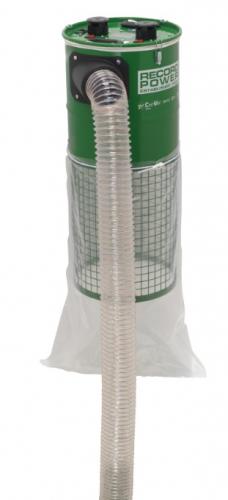
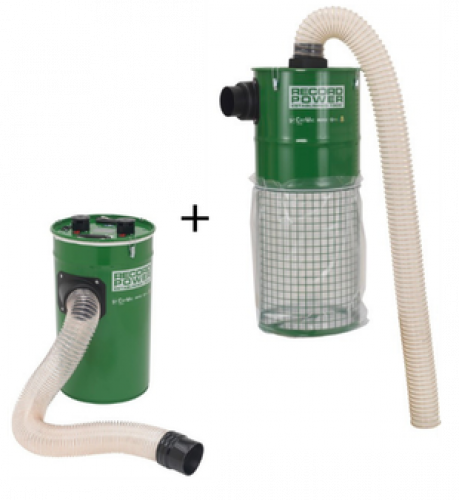
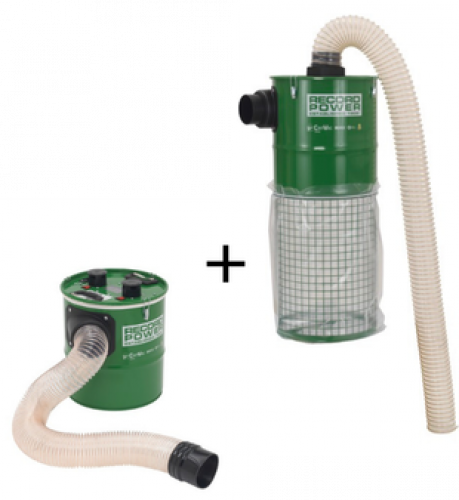
By comparison, chip extractors and cyclone extractors are missing one key element from the equation:

By comparison, chip extractors and cyclonextractors are missing one key element from the
This element is pressure. The very small amount of pressure created by a chip extractor means that any changes to hose diameter will ‘throttle’ the pressure even further, eliminating it to the point that the extractor becomes ineffective, as the volumetric flow alone cannot create power. This is precisely the reason chip extractors and similar machines are incompatible with small diameter hoses and cannot therefore be used with, for example, power tools, which traditionally require relatively small diameter hoses to be connected to them, usually 32 mm. CamVac machines work incredibly well with power tools as they can easily cope with hose of this diameter.
To filter fine dust using a chip extractor, the filter’s surface area must be exceptionally large in comparison to CamVac filters in order to compensate for the airflow restriction caused by the introduction of the filter. Because CamVac machines have high levels of pressure, the filters can be relatively small and fit inside the drum of the machine. This is because the increased restriction to airflow, or pressure drop, is compensated for by the motor – therefore CamVac extractors can be very compact, which is a real benefit to the design, saving you valuable workshop space.

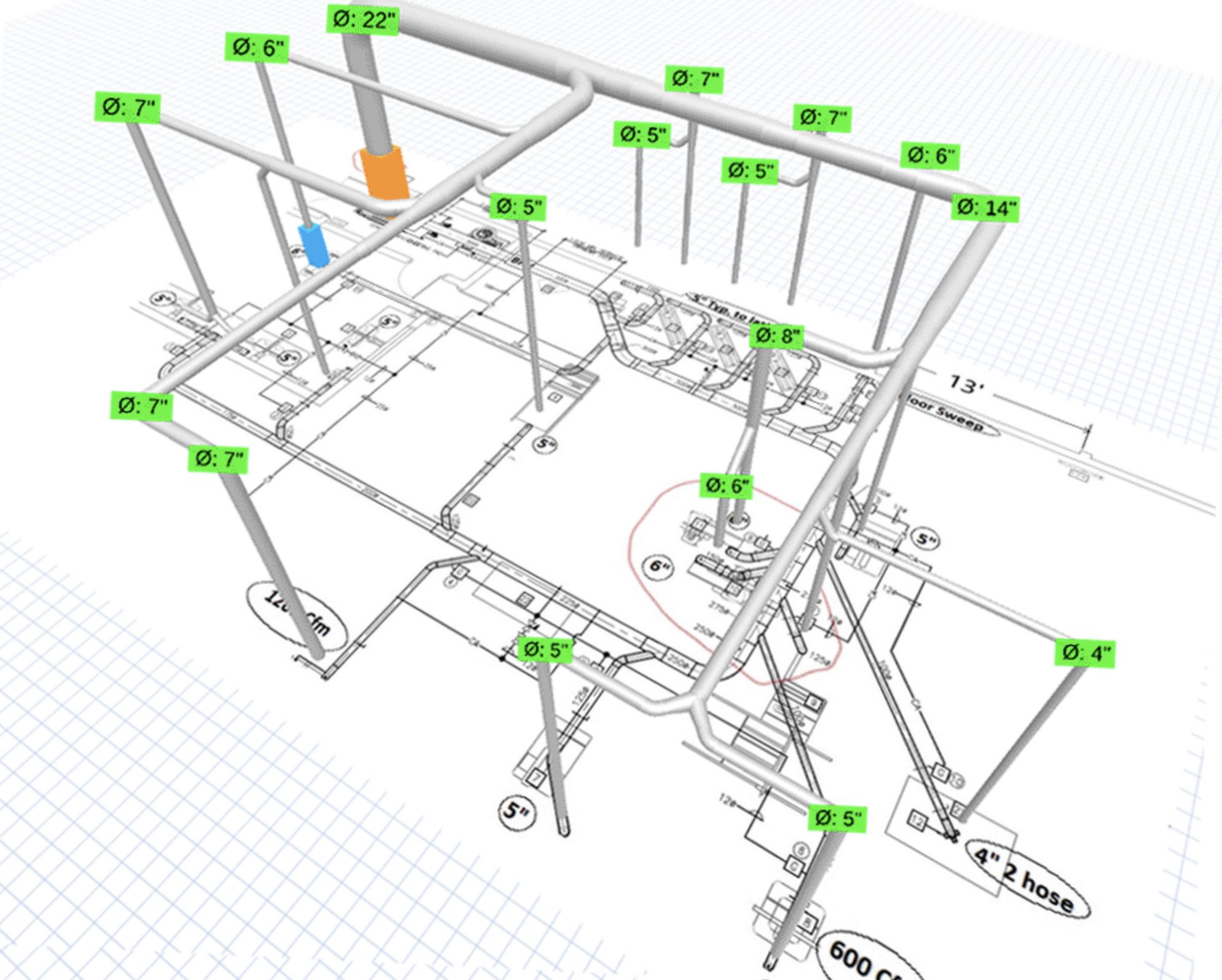
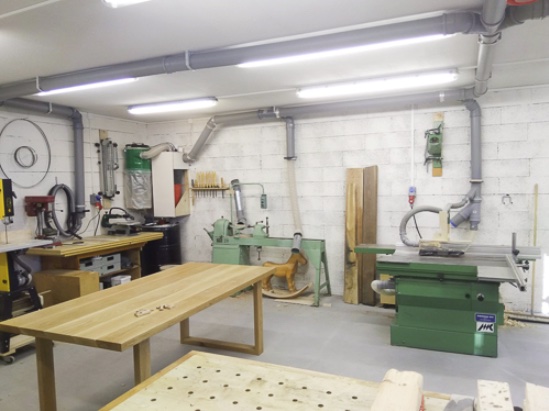
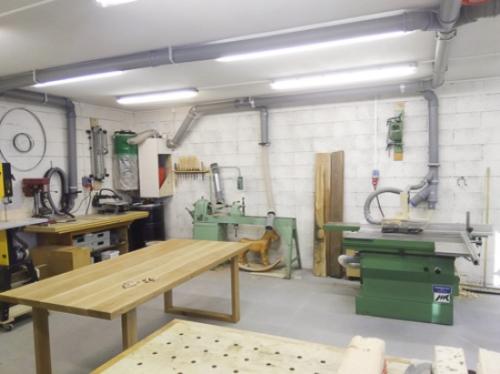
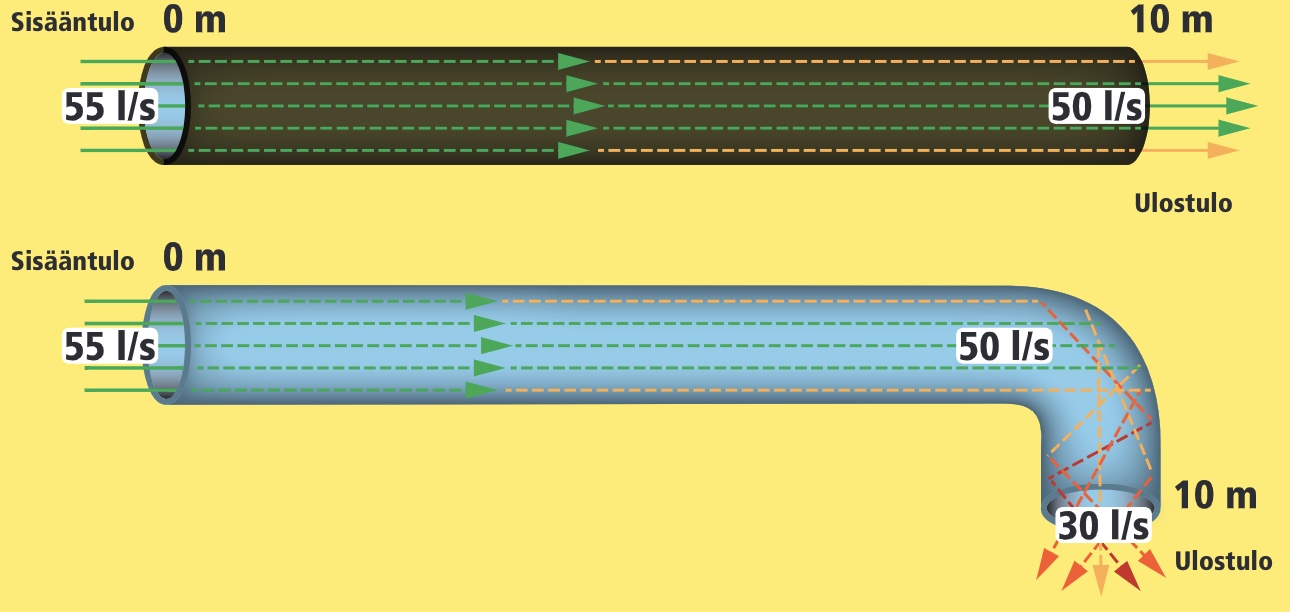
A key consideration when designing and installing a workshop extraction system is how it will affect the volumetric flow rate. It is important to minimise the number of bends in the ducting system – bends create drops in pressure, therefore reducing volumetric flow rate and ultimately, power. Of course, virtually all systems will need bends, but minimising them with forward planning and good design can make a big difference to the effectiveness of your system.
Using smaller diameter ducting in an extraction system can create the optimal system, which is why 2 ½” ducting is a popular size for this purpose. This will, as explained above, increase the velocity of waste, allowing it to stay airborne within the system.
Another key factor that affects performance is the number of motors on the extractor that is used to power the system. The greater the volumetric flow rate of a system, the more effective it will be. Therefore, we recommend a minimum of a twin-motor extractor for a workshop system and ideally a triple- motor extractor, if a particularly large system is being installed.
Ensuring your system is powered by a suitably sized extractor and has as few bends, joints and blast gates as possible, will give you the best results.
Power is volume flow multiplied by pressure. Both are needed: a large airflow alone will not pull through a narrow hose, and suction alone will not carry chips.
A volume flow of 55 litres per second and up to 21 kPa of suction. The extractor has one to three motors, and more motors produce proportionally more.
According to the measurement tables the volume flow falls relatively little as the hose gets longer, so performance stays good over longer runs too.
By keeping the number of reductions, bends and blast gates as low as possible. That way the flow is sufficient at the far ends of the system too.

100% Trustworthy online store with history
Expert customer service
Fast deliveries
Large selection directly from stock
No middlemen - save on the price






 Suomeksi
 På Svenska