Login
Login
Shipping Country
Super CLEARANCE CAMPAIGN - Selected tools and accessories with Super Special prices! - CHECK HERE
READ MORE
Login
The correct dimensioning of a dust collector is a critical factor in terms of workshop safety, work quality and machine lifespan. A correctly dimensioned system ensures an air velocity of at least 20–25 m/s, which effectively transports dust and debris from the source to the filter. The dimensioning is calculated by taking into account the machine-specific air volume requirements (m³/h), the pressure loss caused by the piping and the required filtration degree.
When working in a workshop, sawdust and dust are direct threats to both health and equipment. A sawdust extractor that is too small or incorrectly sized leaves fine dust floating in the air. This is dangerous for the respiratory tract, especially when working with hard woods such as oak or beech.
Insufficient suction also means that sawdust accumulates in the internal parts, blades and motors of machines. For example, band saws and planers can become clogged, leading to overheating of the blades, poor surface quality and a fire hazard. On the other hand, an oversized system consumes unnecessary electricity and causes excessive noise.
Effective dust extraction is an essential part of a professional workshop. Correct sizing ensures safe working conditions and the quality of the end result.
When choosing a blower, it is not just the engine power (kW) that is important, but the air volume (Q) and its speed (v) in relation to the cross-sectional area of ??the pipe (A).
The simple formula is: Q = v * A * 3600
Example: If a 100 mm suction hose (radius 0.05 m) is used, its surface area is approximately 0.00785 m². To achieve an air velocity of 20 m/s, the required air volume is: 20 * 0.00785 * 3600 ? 565 m³/h. It is important to note that this is a theoretical requirement for the machine connection. The declared power of the vacuum cleaner with free blowing is always higher than the actual suction with the pipework and filter.
As a rule of thumb, the actual power at the end of the piping is often significantly lower than the maximum power stated by the manufacturer. It is important to leave enough room in the system.
Different machines produce different types of waste and have different requirements for chip removal. Here are some general recommendations for different machine groups:
The amount of chips produced by planers is enormous. If the dust extractors are not efficient enough, the chips can damage the surface being worked on. For planers, it is recommended to have at least 1000–1200 m³/h of actual air volume and a connection of at least 100 mm (recommended 125 mm).
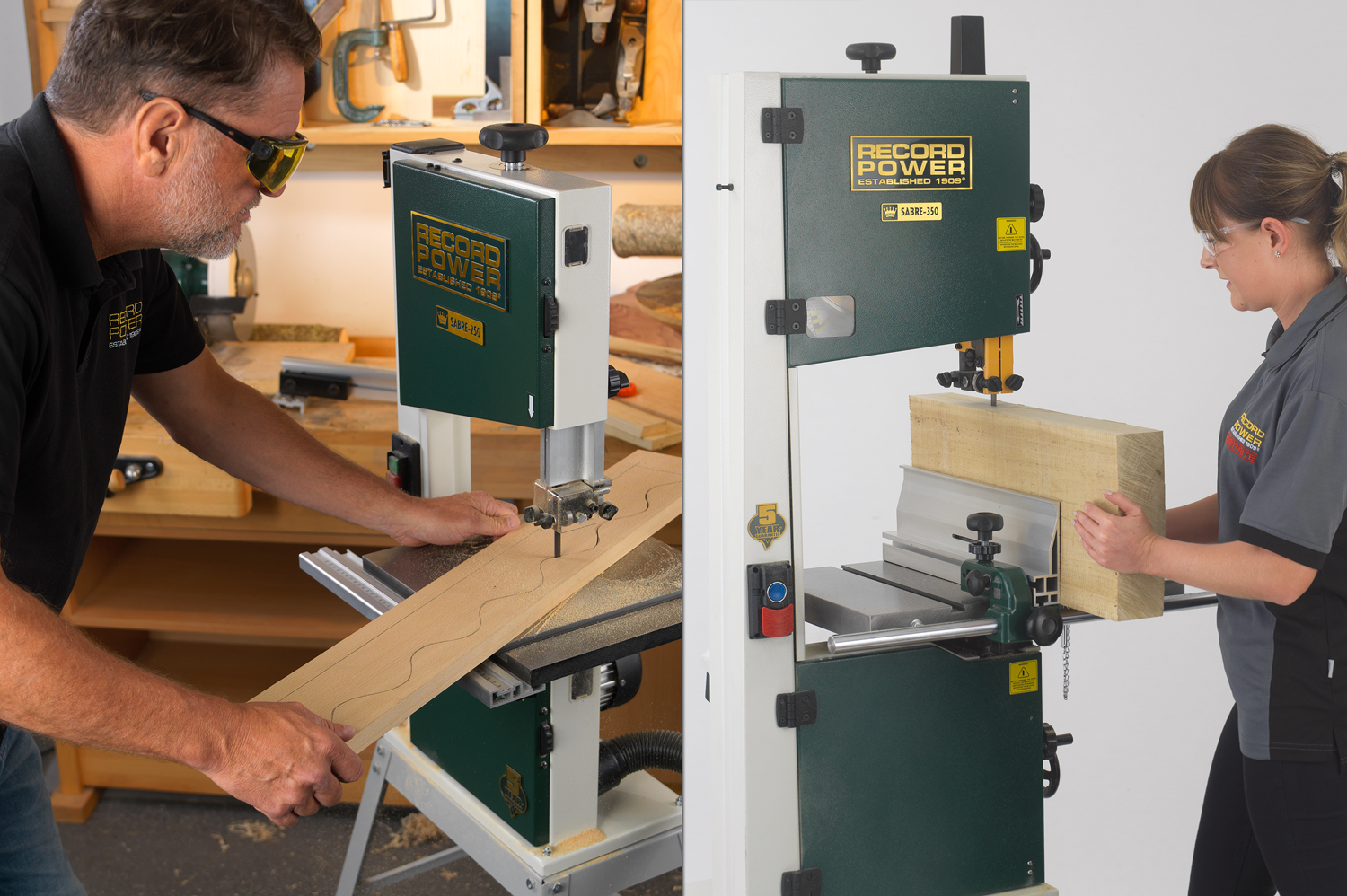
In sawmills, the dust is often finer and spreads easily. To effectively collect the dust, an output of about 800–1000 m³/h is usually required. Band saws require effective suction, especially under the table, to prevent sawdust from accumulating on structures.
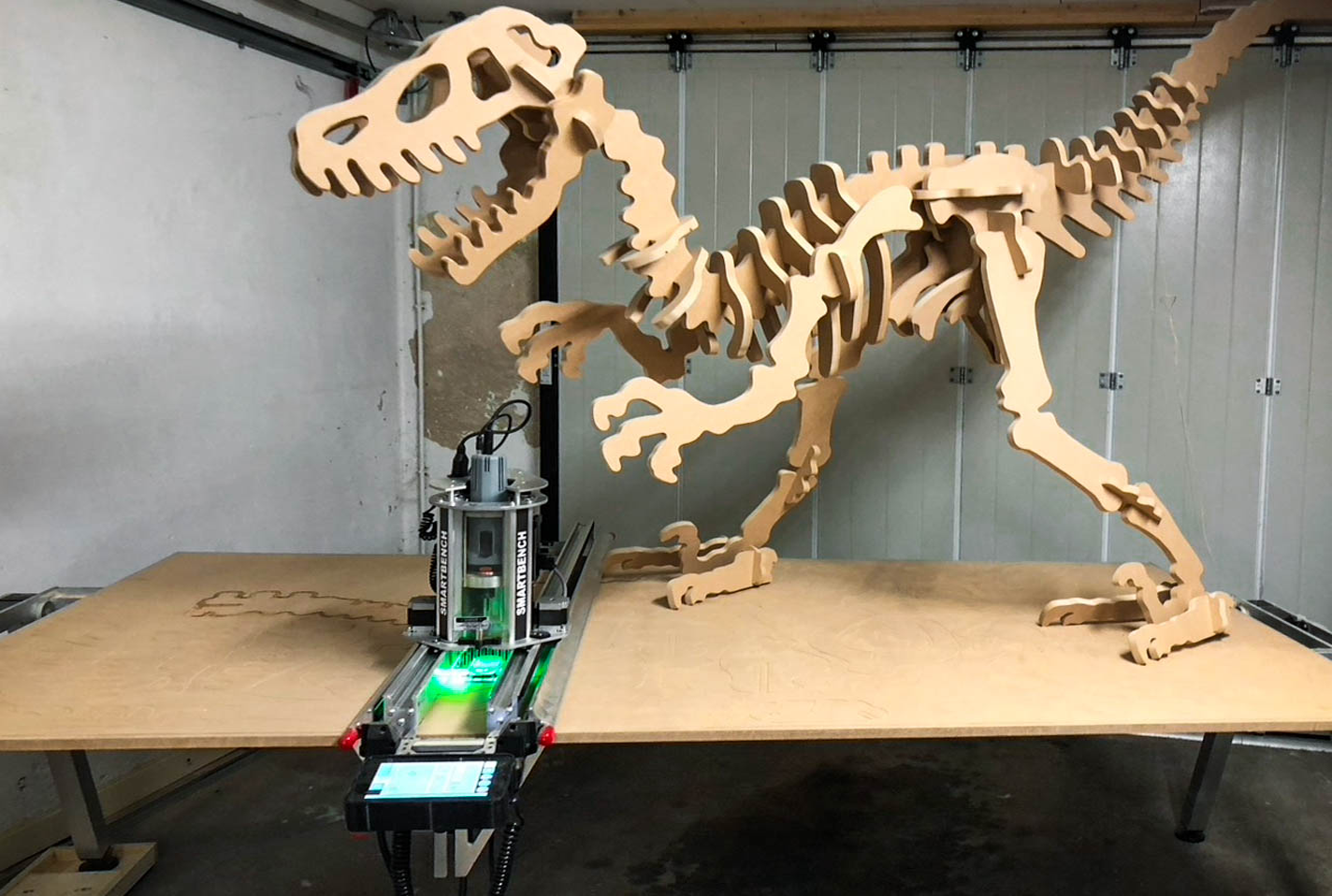
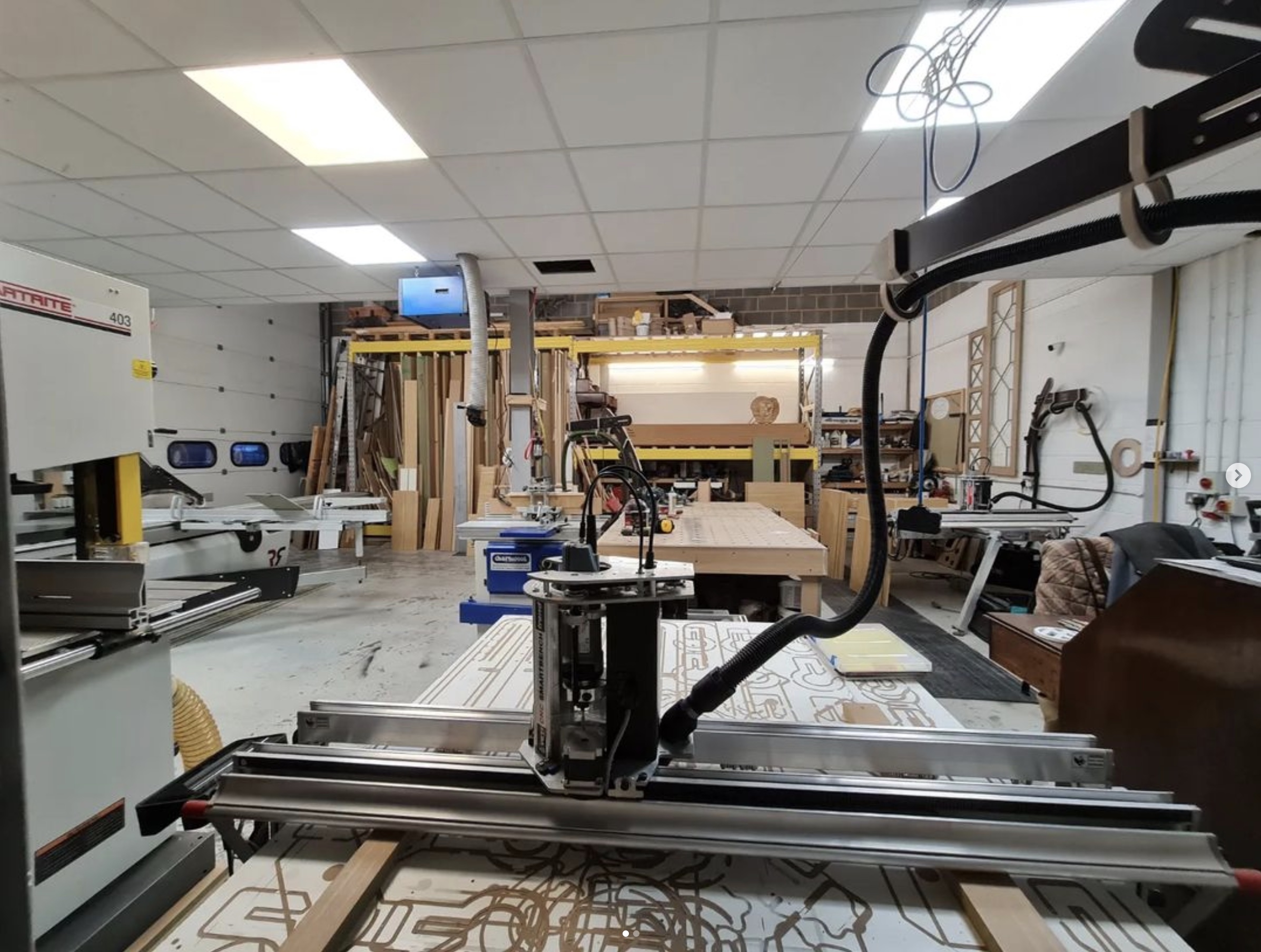
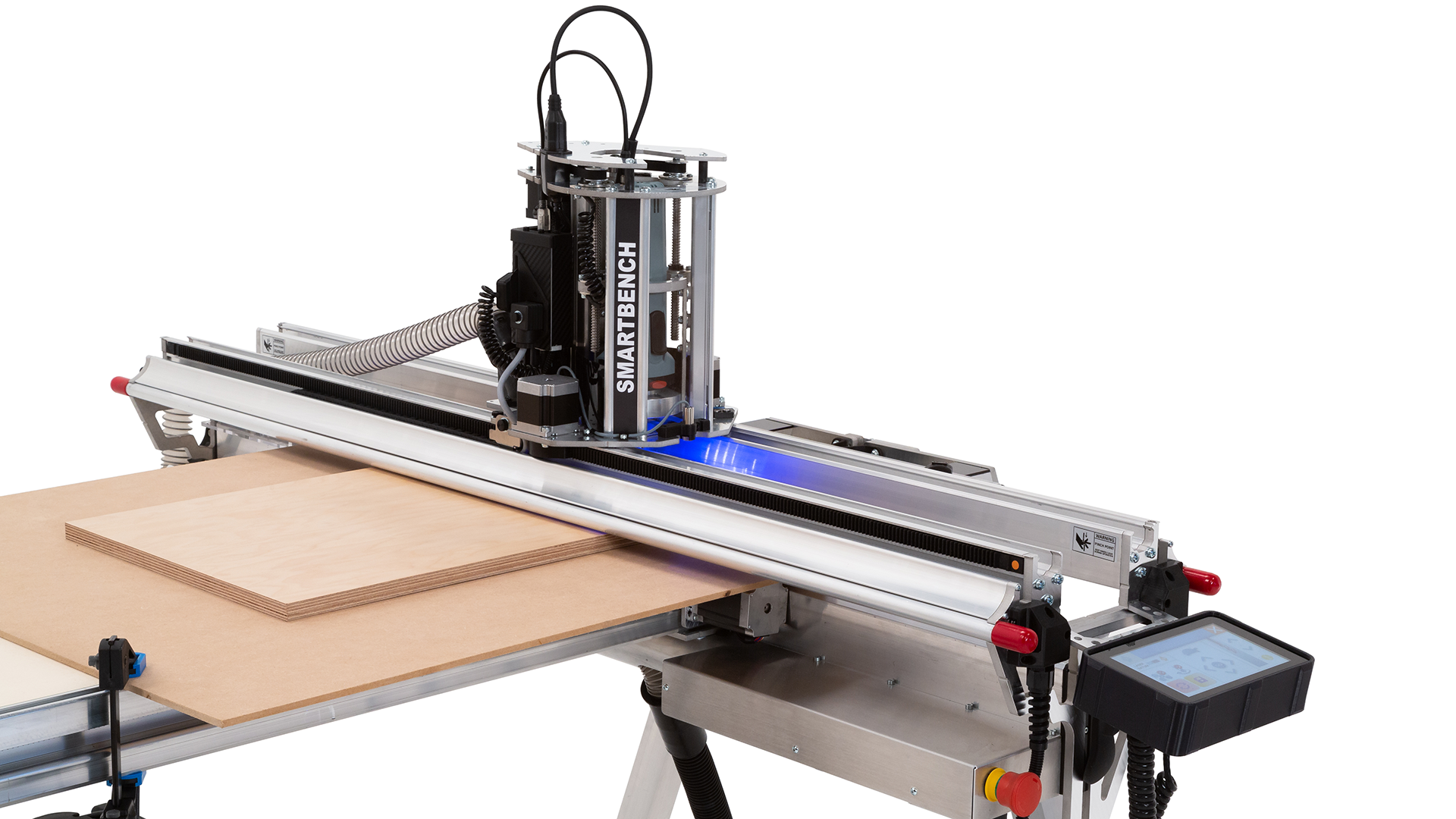
CNC machines and routers produce fine dust, which requires high air velocity. Since these machines often use narrow hoses, high vacuum is required from the vacuum cleaner. Specialized spot extraction systems are available for small tools, but larger CNC machines require a more robust chip removal solution.
The resistance, or pressure loss, caused by the piping is a significant factor in the efficiency of a vacuum cleaner. Long pipe runs and sharp bends significantly reduce suction power.
When using plastic piping, proper grounding must be ensured to prevent fire hazards and shock hazards caused by static electricity.
Simply collecting the crumbs is not enough, the air also needs to be carefully filtered. Traditional cloth bags often let fine dust through, which is harmful to health.
Microfilters: Pleated filters (microfilter cartridges) offer a large filtration surface area and are capable of separating particles as small as 1 micron. They improve both air quality and vacuum cleaner performance.
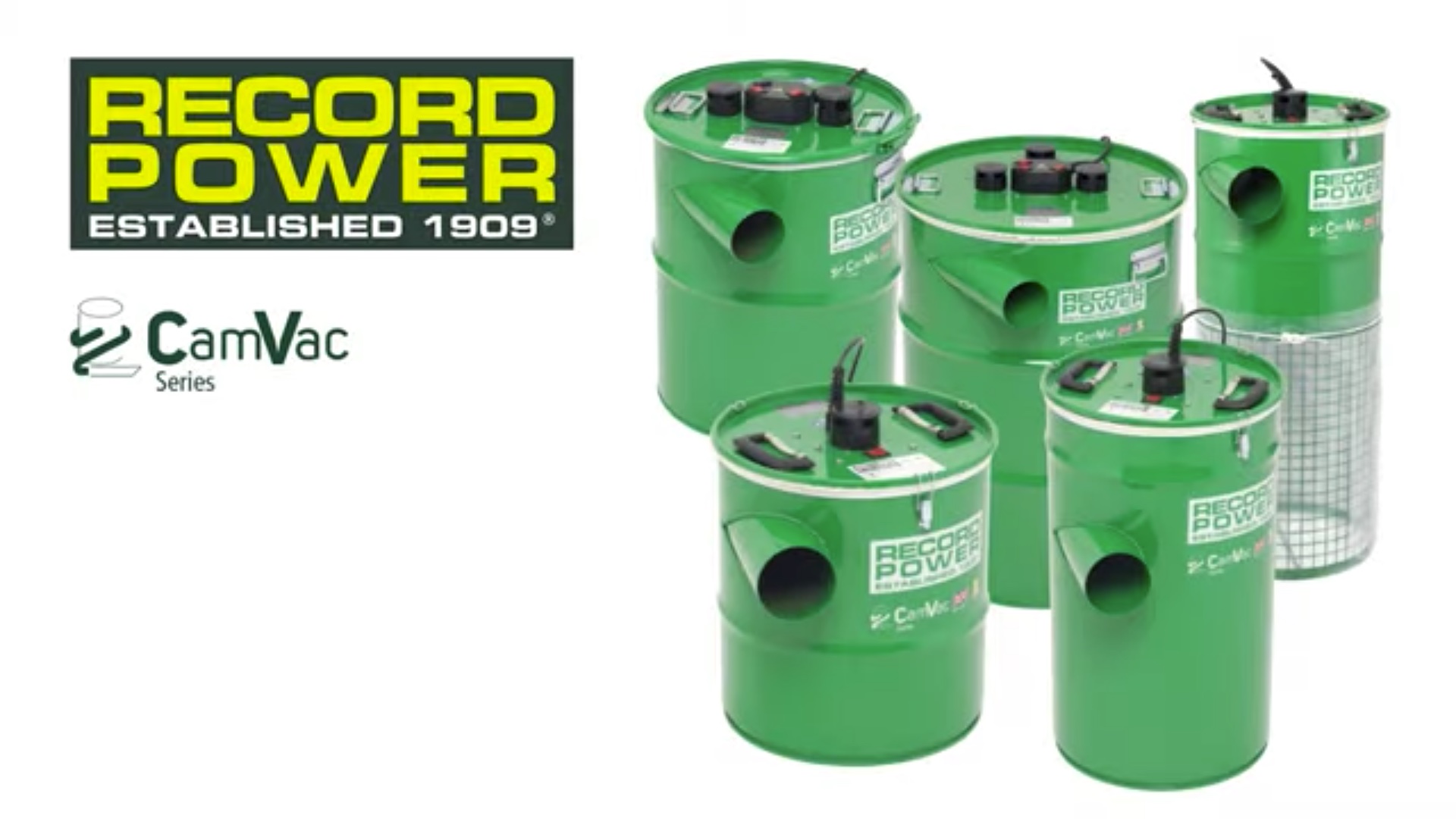
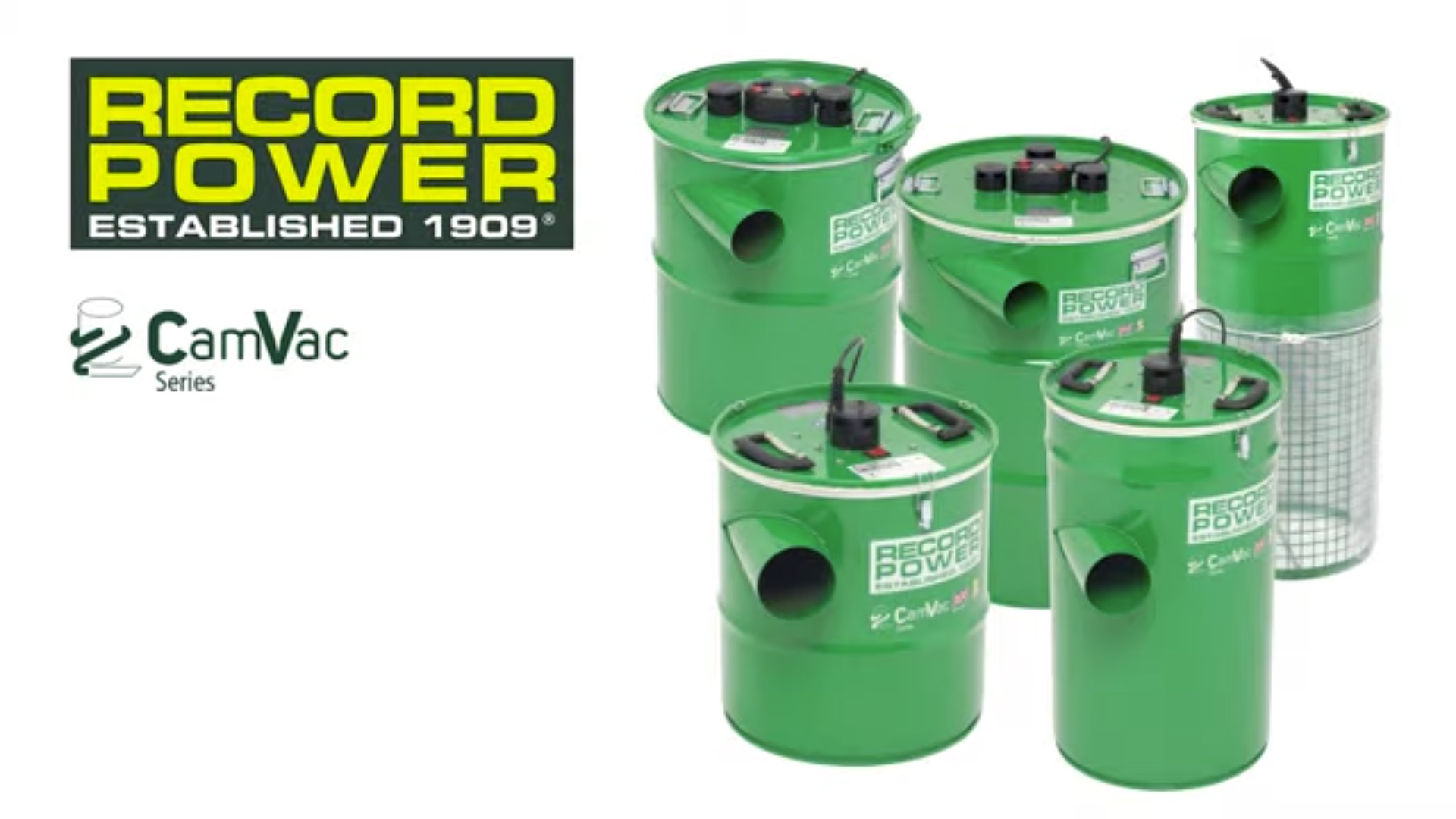
Cyclone pre-separators: The cyclone separates most of the debris into its own container before the filter. This saves the filter and keeps the suction power consistent for longer.
Properly designed chip removal ensures a clean working environment and a long service life for the machines.
At least 20–25 m/s. Any slower and the chips do not stay in motion but settle in the bottom of the duct.
From the airflow requirements of each machine (m³/h), to which the pressure loss of the ductwork is added. The system is sized for the machine that needs the most air.
Every bend and joint adds pressure loss. The route to the machines should be planned as short and straight as possible.
Fine dust is left floating in the air and chips build up inside machines, on cutters and in motors. A bandsaw or a planer-thicknesser, for instance, can clog, which overheats the cutters.
Any machines you may buy later. Extending the ductwork and the extractor afterwards costs more than sizing it adequately from the start.
100% Trustworthy online store with history
Expert customer service
Fast deliveries
Large selection directly from stock
No middlemen - save on the price






 Suomeksi
 På Svenska